An anomaly from Hubble’s archive — Collisional ring galaxy
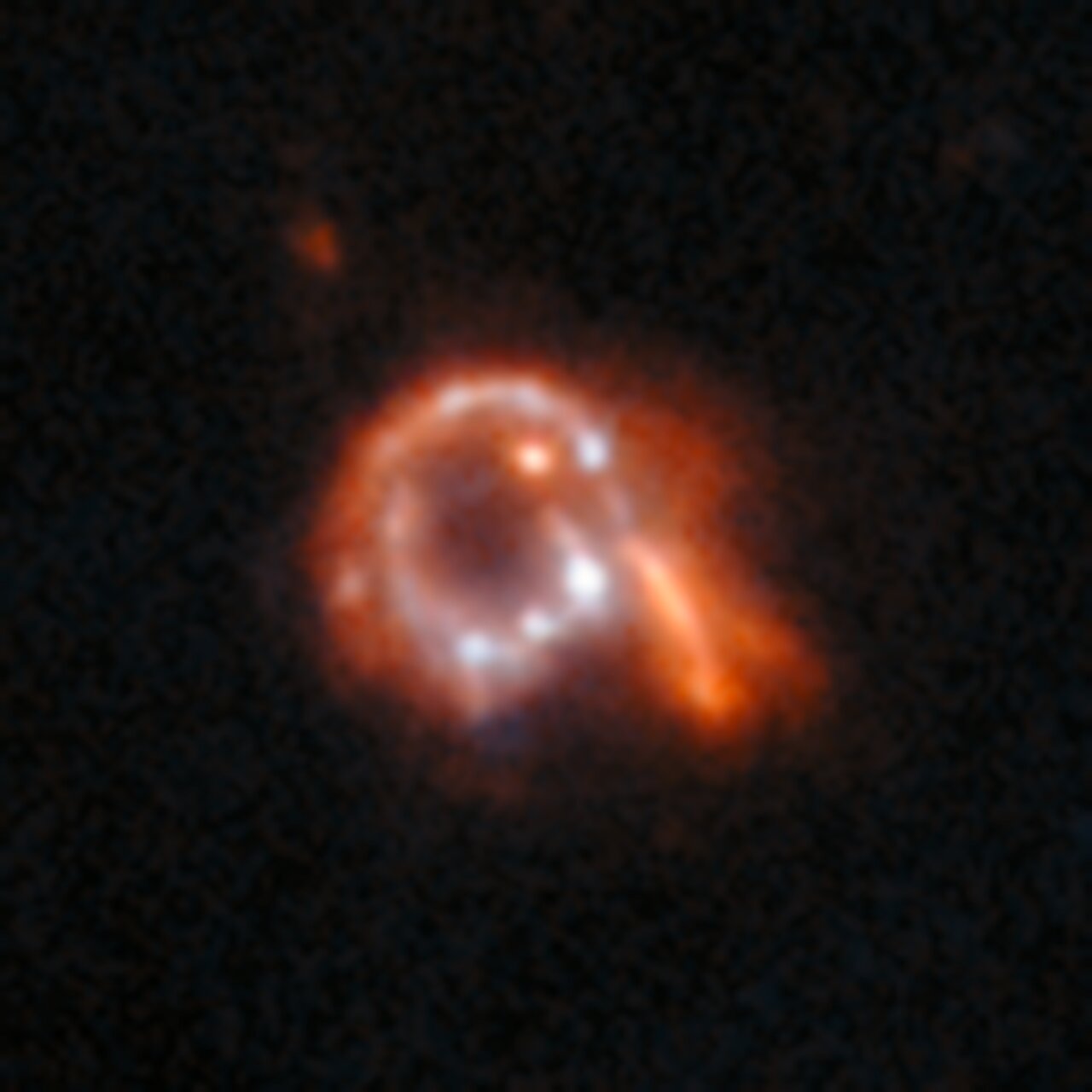
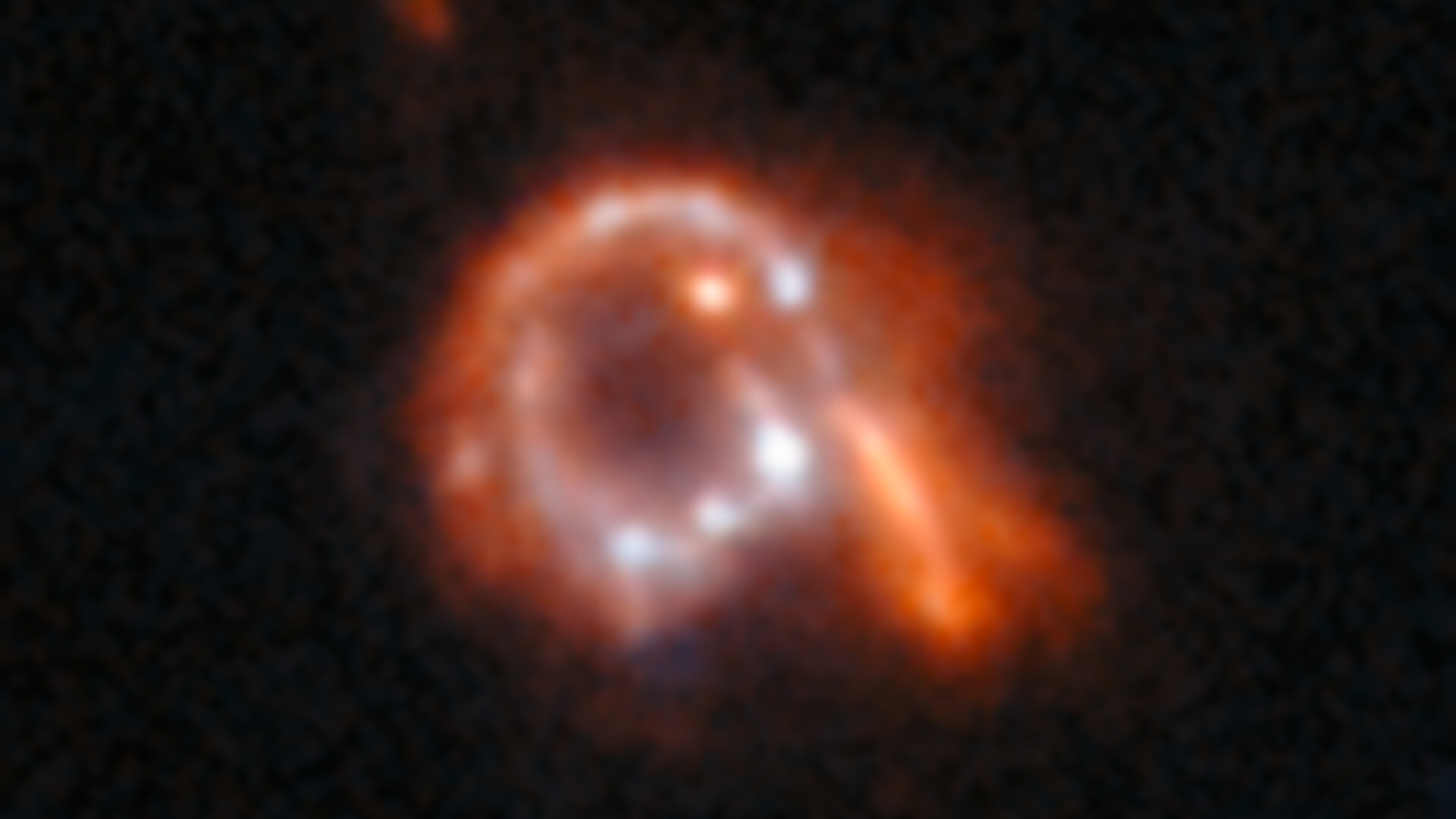
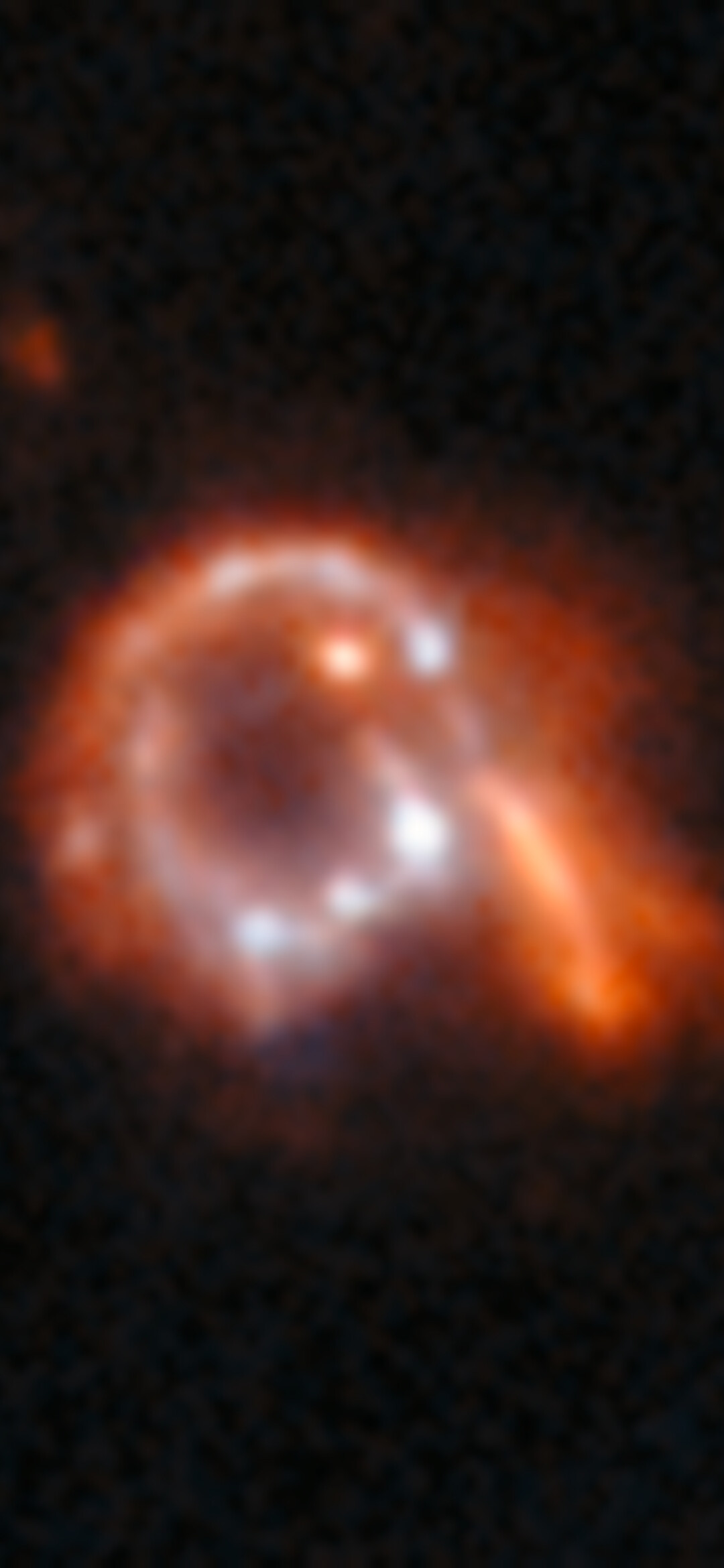
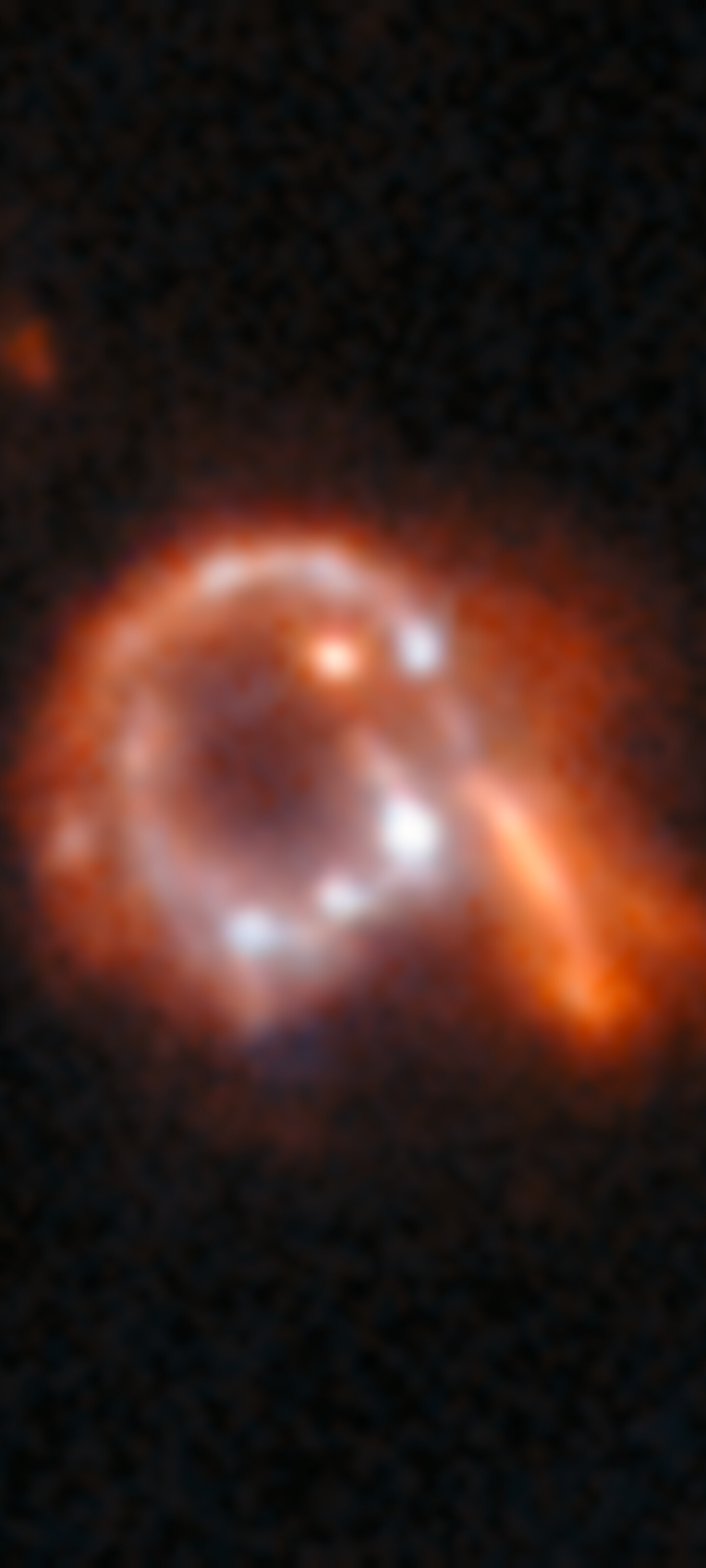
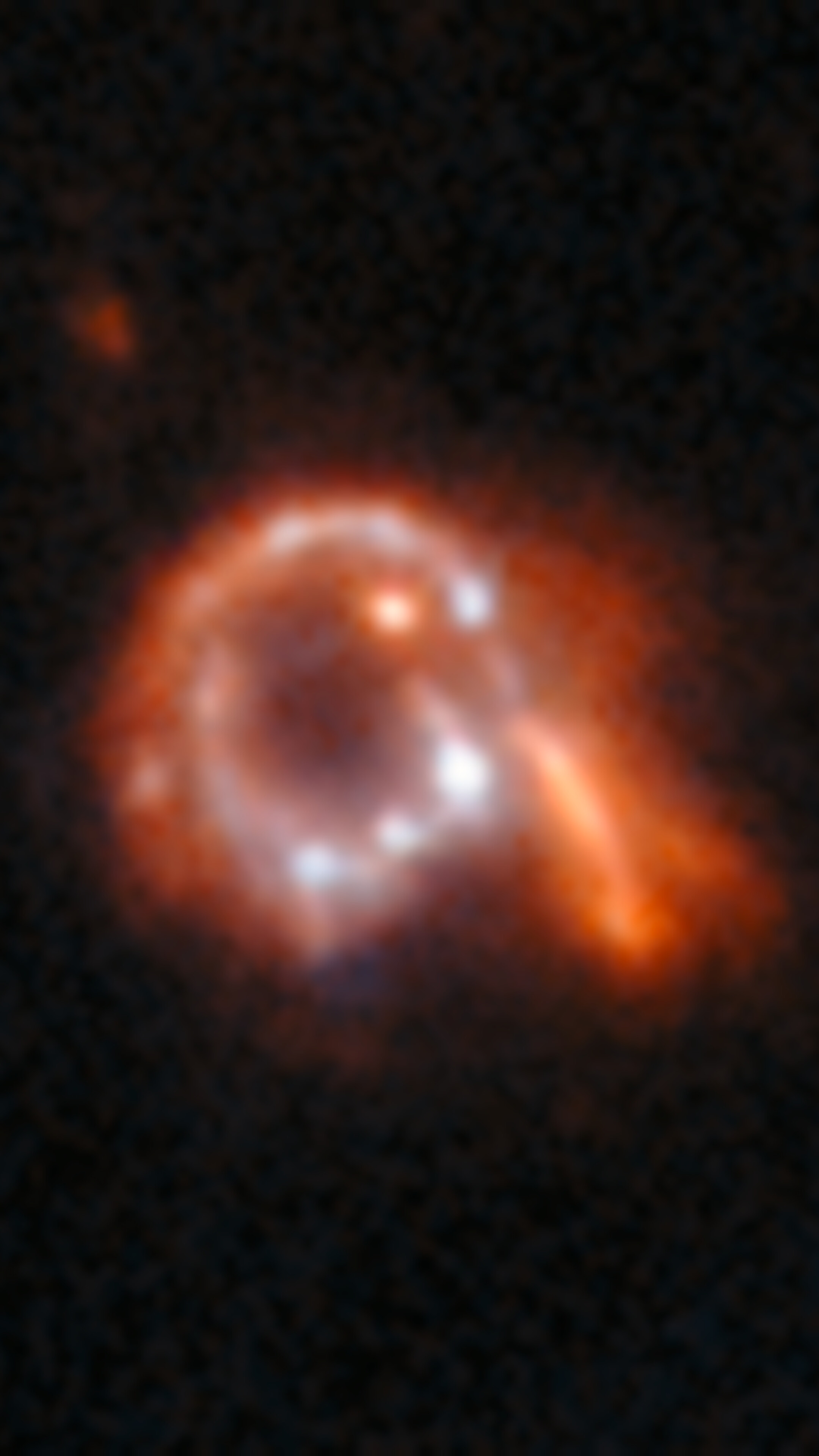
This is a previously-undiscovered astrophysical anomaly, found in the Hubble Space Telescope’s archive by researchers using a new AI-assisted method. The AI tool allowed them to sift through nearly 100 million image cutouts in just days, turning up rare and anomalous objects like this one.
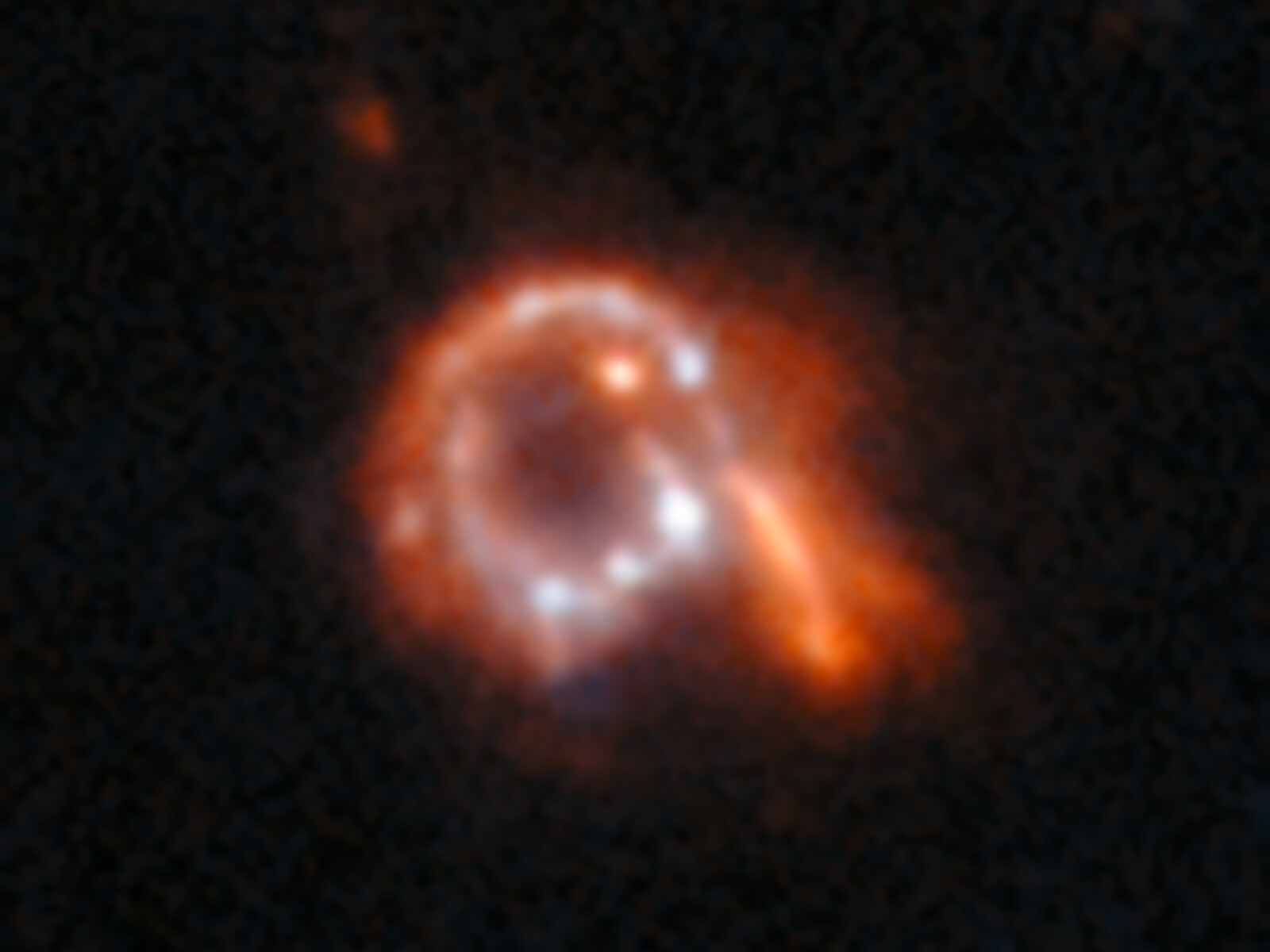
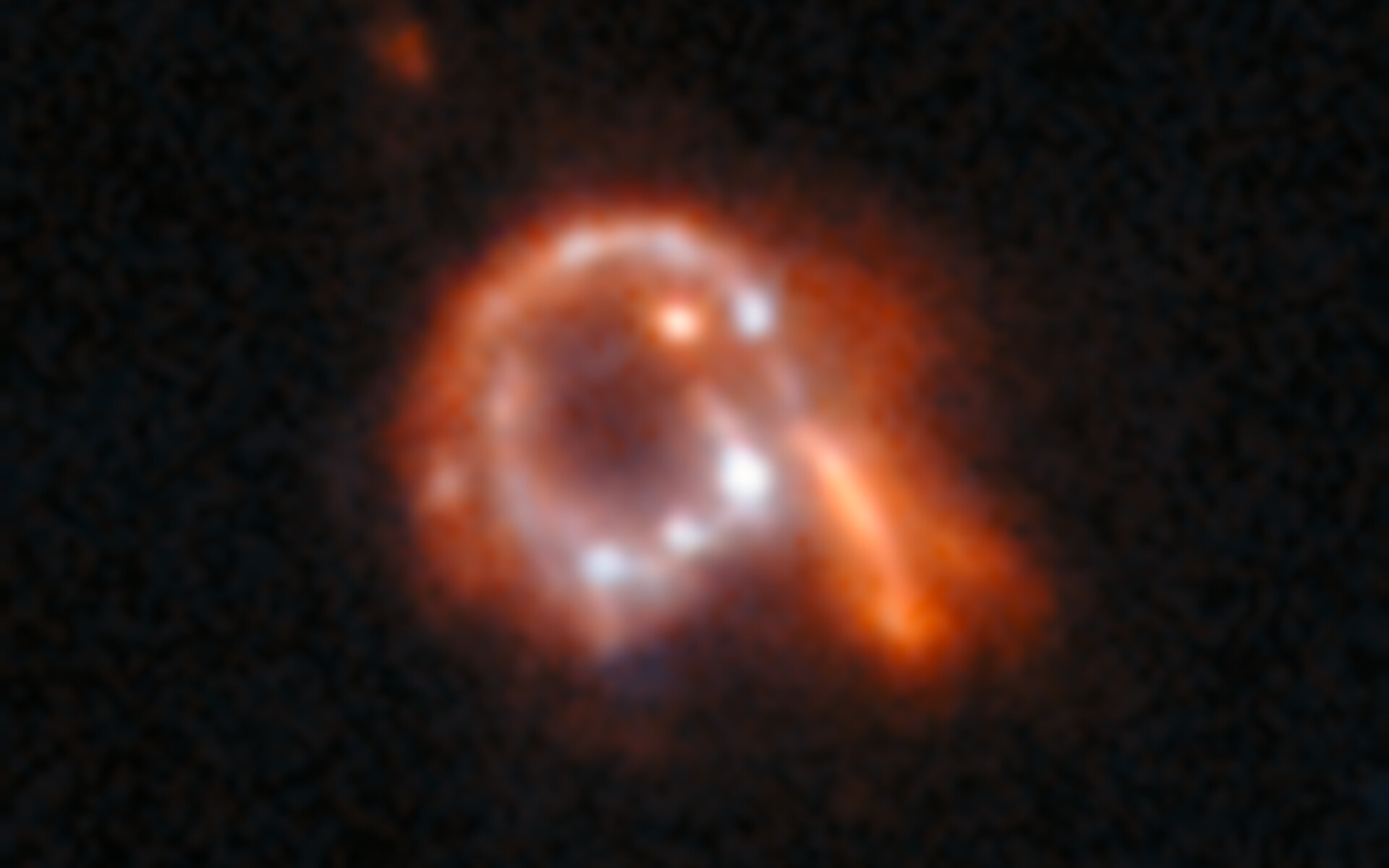
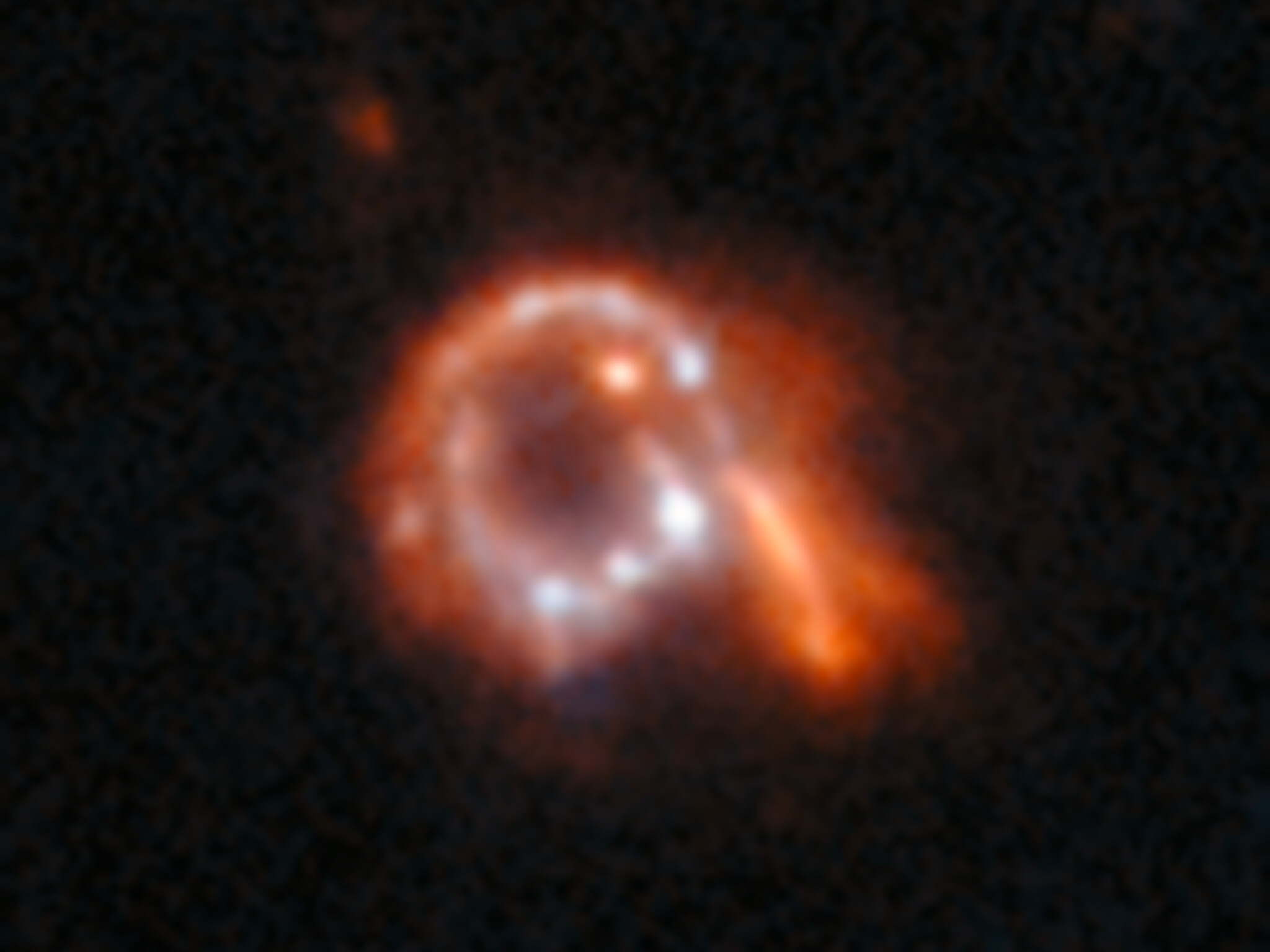
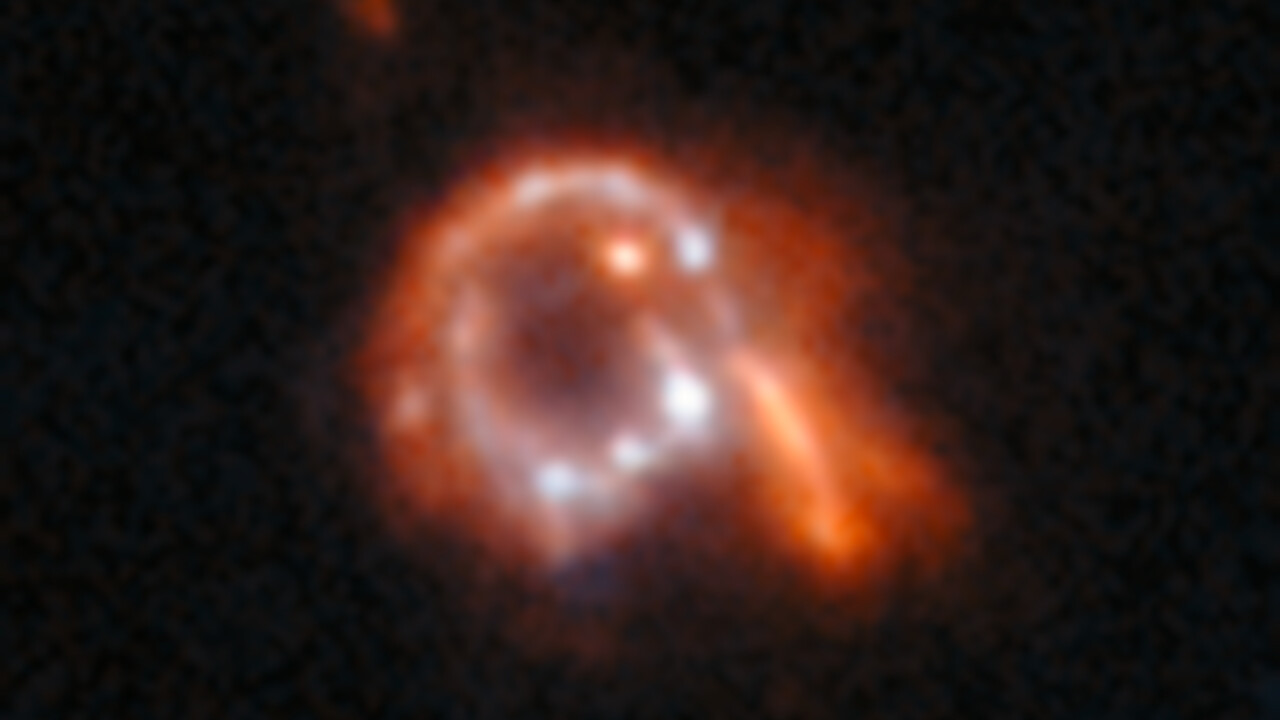
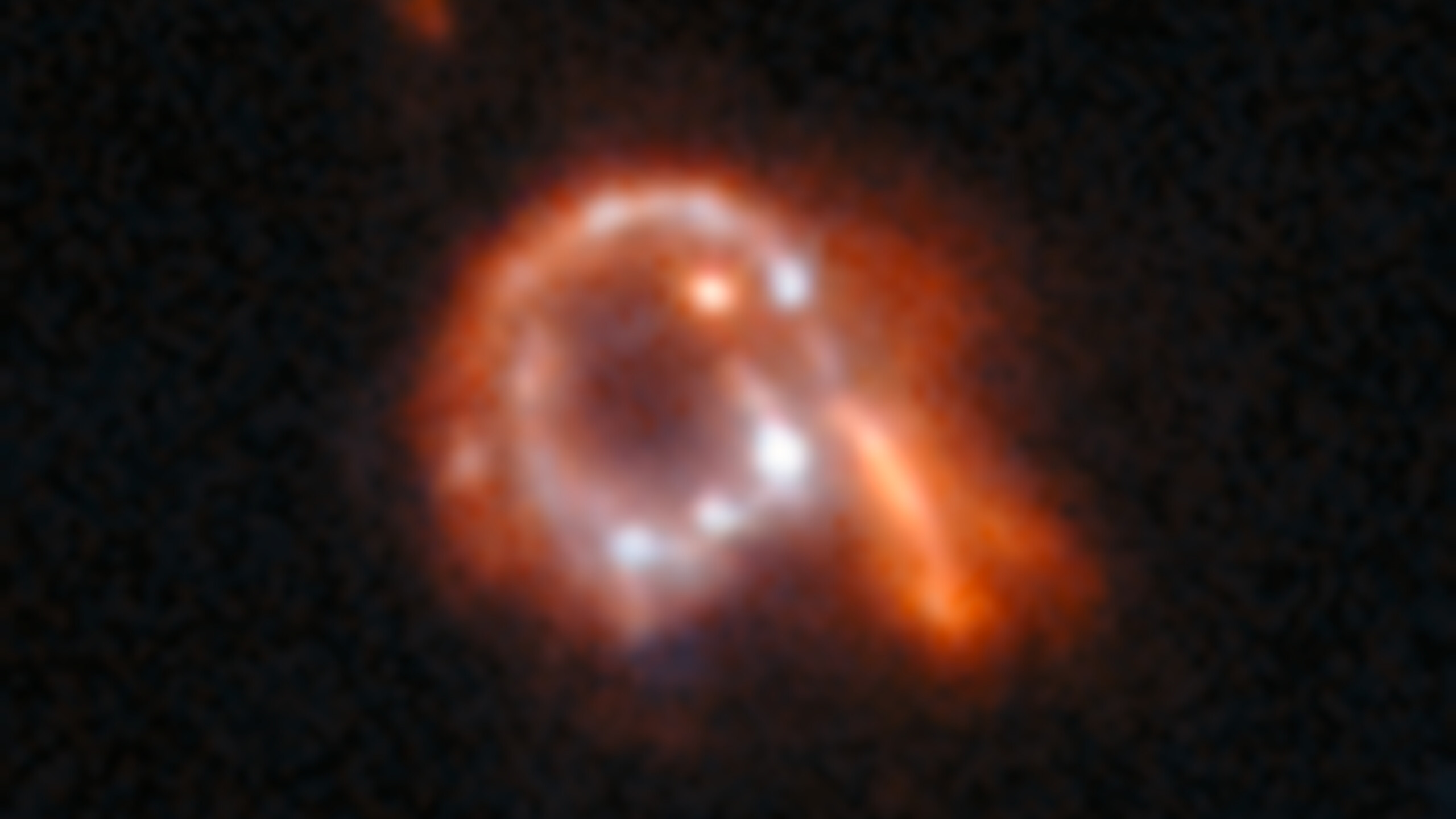
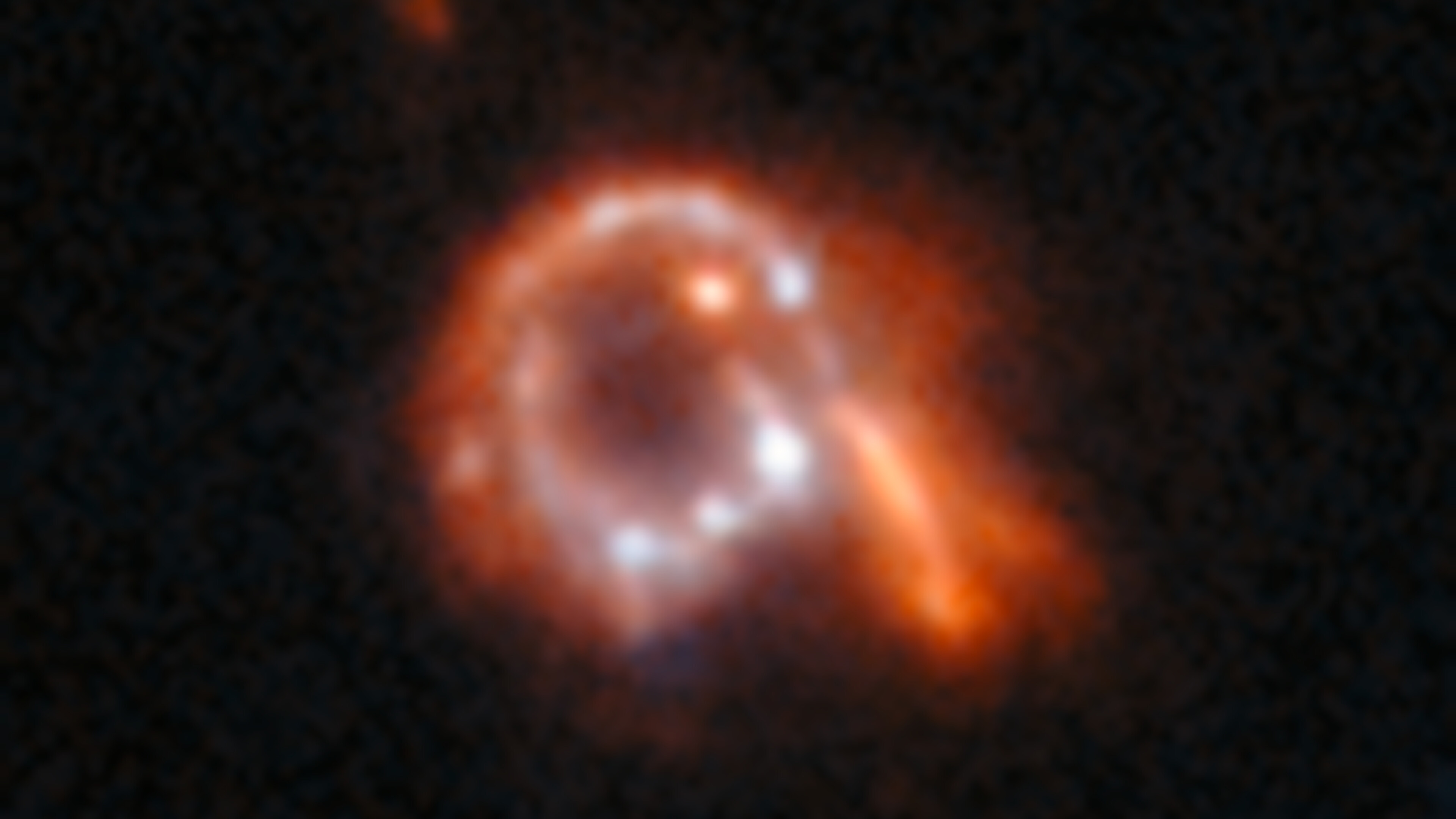
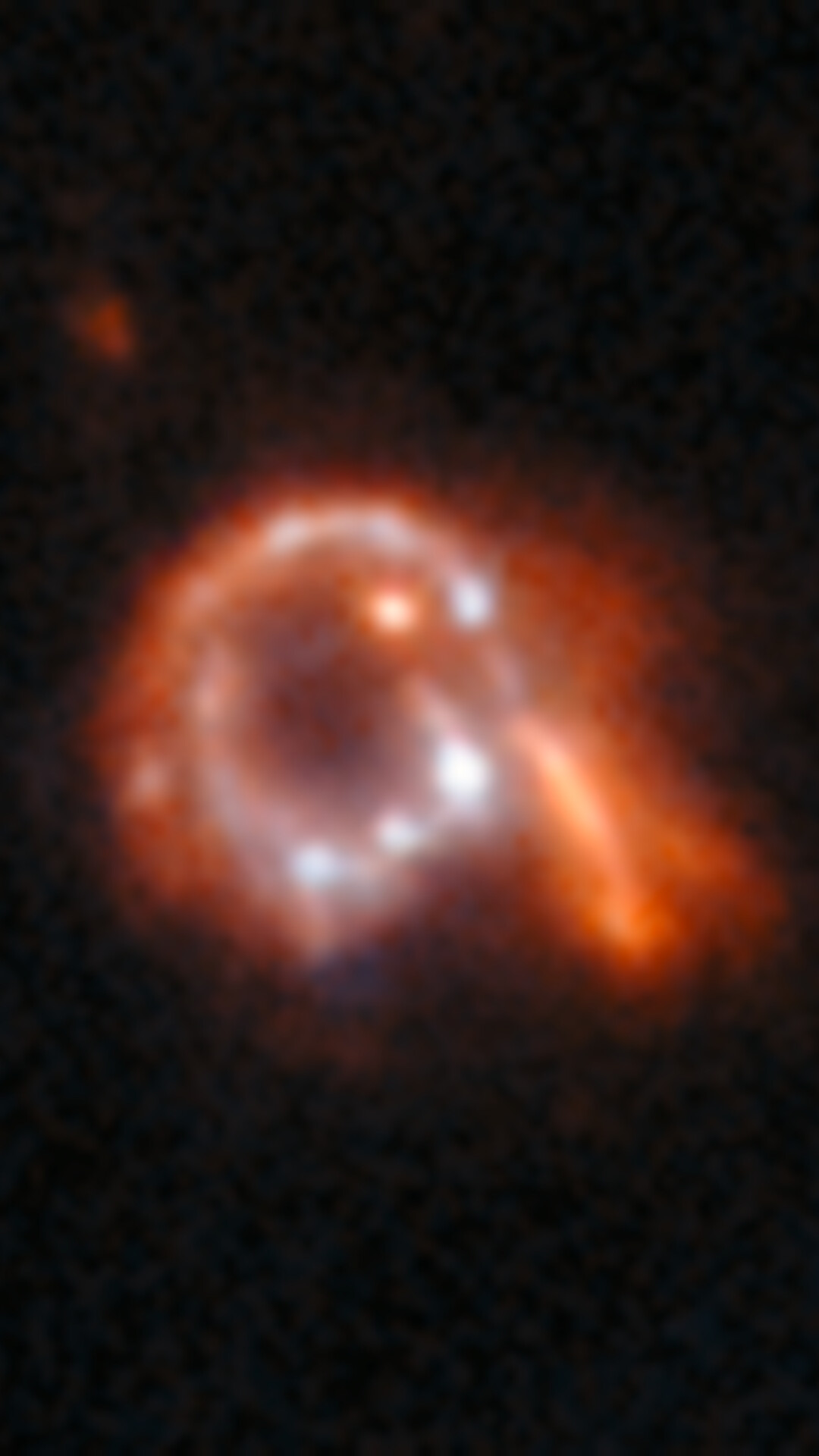
This object was classified by the research team as a “collisional ring” galaxy — one of only two that were found. These are galaxies which are partly or wholly ring-shaped, but with a disrupted or bent disc that is noticeably luminous. These ring formations arise when a galaxy collides with another by crashing right through its centre, creating a roiling, circular wave of star formation. Hubble has featured other collisional ring galaxies before, but the precise alignment between colliding galaxies needed to create them means they are quite rare, including in AI-assisted searches. This galaxy was not previously recorded.
Read more about this new research here.
[Image description: A small image of a mostly red galaxy. Unusually, it is ring-shaped with spots of light around the ring, a protruding arm on one side and a dark hole in the centre.]
Credit:ESA/Hubble & NASA, D. O’Ryan, P. Gómez (European Space Agency), M. Zamani (ESA/Hubble)
About the Image
| Id: | heic2603b |
|---|---|
| Type: | Observation |
| Release date: | 27 January 2026, 16:00 |
| Related releases: | heic2603 |
| Size: | 623 x 623 px |
About the Object


Classic Wallpapers

Desktop Wallpapers
Mobile Wallpapers

Coordinates
| Position (RA): | 14 3 11.10 |
|---|---|
| Position (Dec): | 15° 31' 28.74" |
| Field of view: | 0.11 x 0.11 arcminutes |
| Orientation: | North is 0.0° left of vertical |

Colours & filters
| Band | Wavelength | Telescope |
|---|---|---|
| Optical B | 435 nm |
Hubble Space Telescope
ACS |
| Optical I | 814 nm |
Hubble Space Telescope
ACS |