Close-up of M27, the Dumbbell Nebula
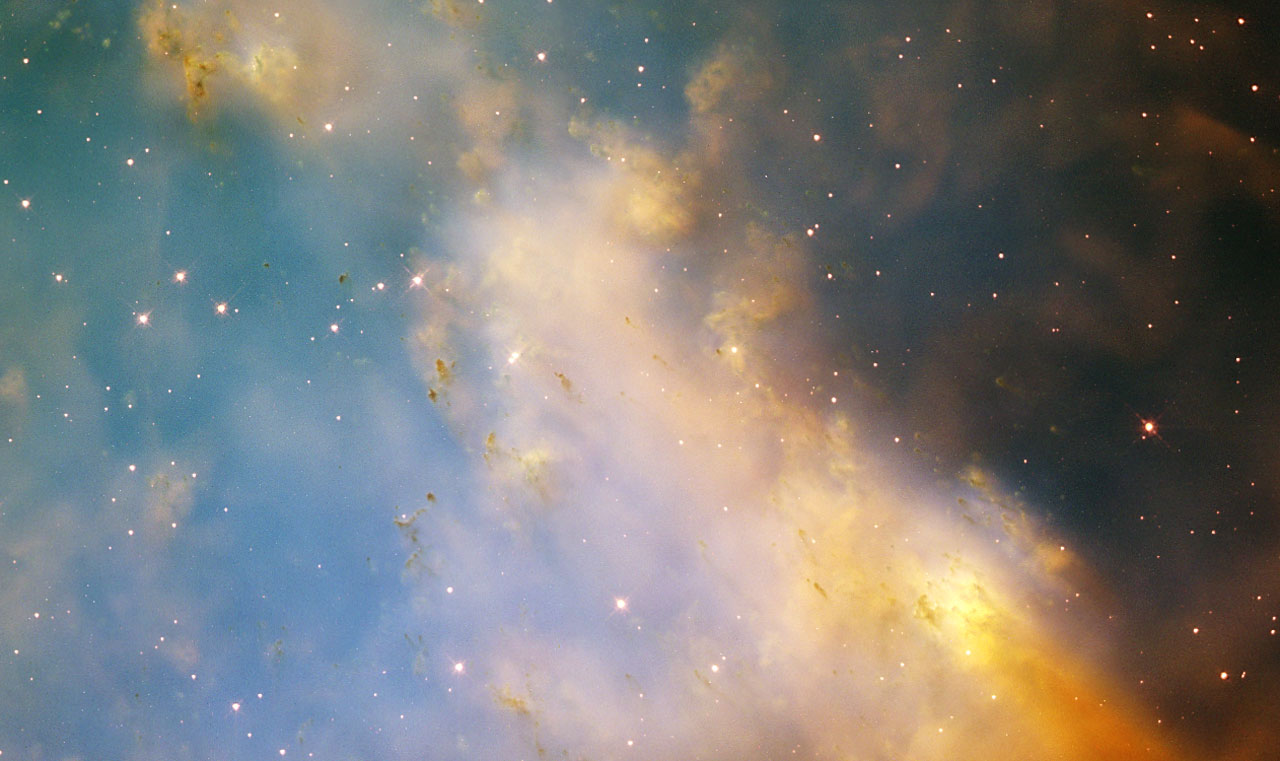
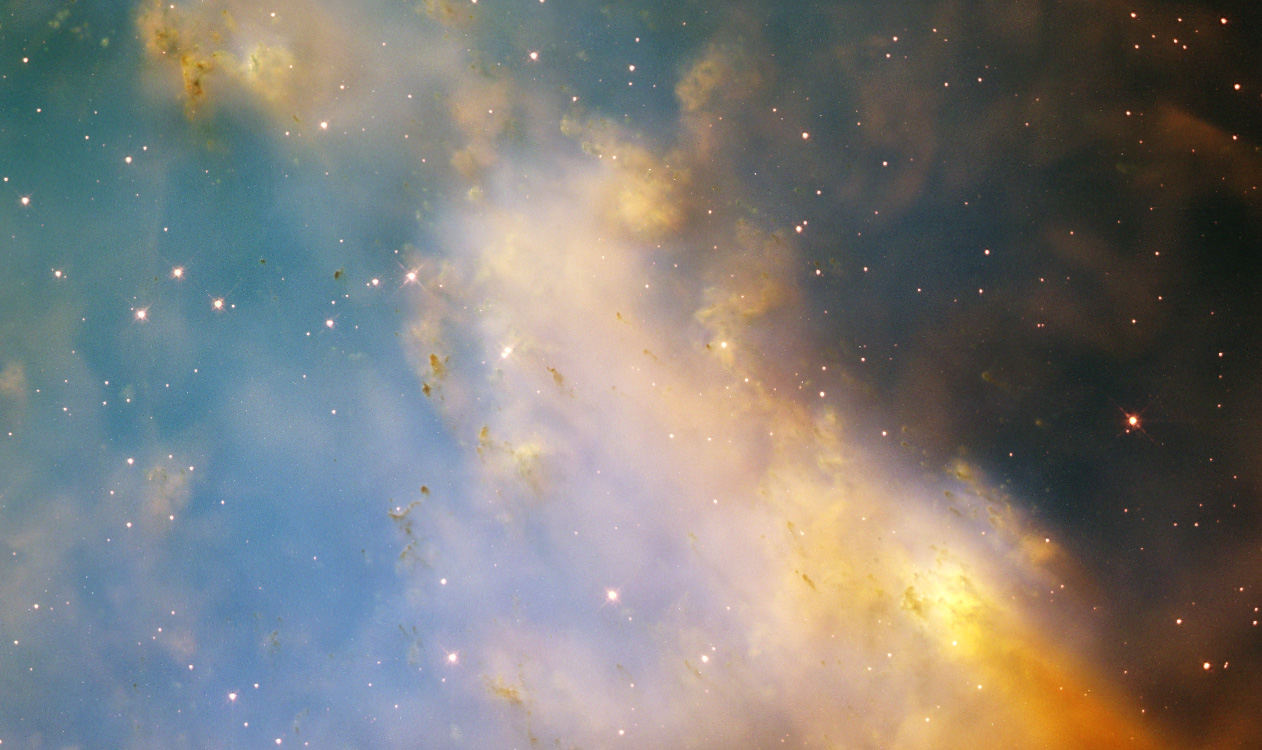
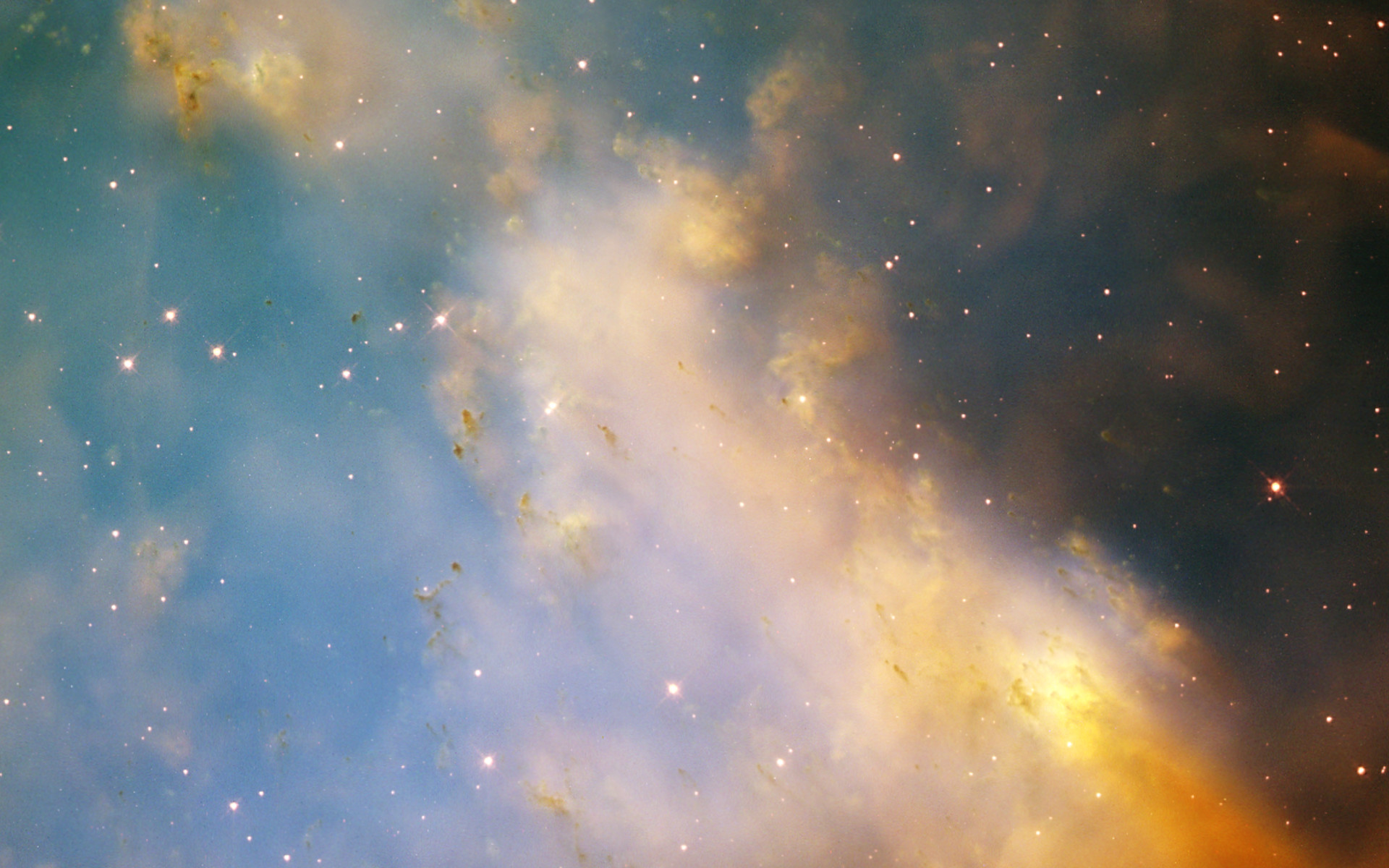
An aging star's last hurrah is creating a flurry of glowing knots of gas that appear to be streaking through space in this close-up image of the Dumbbell Nebula, taken with NASA/ESA Hubble Space Telescope.
The Dumbbell, a nearby planetary nebula residing more than 1,200 light-years away, is the result of an old star that has shed its outer layers in a glowing display of colour. The nebula, also known as Messier 27 (M27), was the first planetary nebula ever discovered. French astronomer Charles Messier spotted it in 1764.
Credit:About the Image
About the Object
| Name: | Dumbbell Nebula, Messier 27 |
|---|---|
| Type: | Milky Way : Nebula : Type : Planetary |
| Distance: | 1200 light years |
| Constellation: | Vulpecula |
| Category: | Nebulae |

Classic Wallpapers




Coordinates
| Position (RA): | 19 59 32.20 |
|---|---|
| Position (Dec): | 22° 42' 43.13" |
| Field of view: | 2.09 x 1.24 arcminutes |
| Orientation: | North is 14.1° right of vertical |
View in ESASky:

View in WorldWide Telescope:

Colours & filters
| Band | Wavelength | Telescope |
|---|---|---|
| Optical Oiii | 502 nm |
Hubble Space Telescope
WFPC2 |
| Optical V | 547 nm |
Hubble Space Telescope
WFPC2 |
| Optical H-alpha | 656 nm |
Hubble Space Telescope
WFPC2 |
| Optical Nii | 658 nm |
Hubble Space Telescope
WFPC2 |
| Optical Sii | 673 nm |
Hubble Space Telescope
WFPC2 |