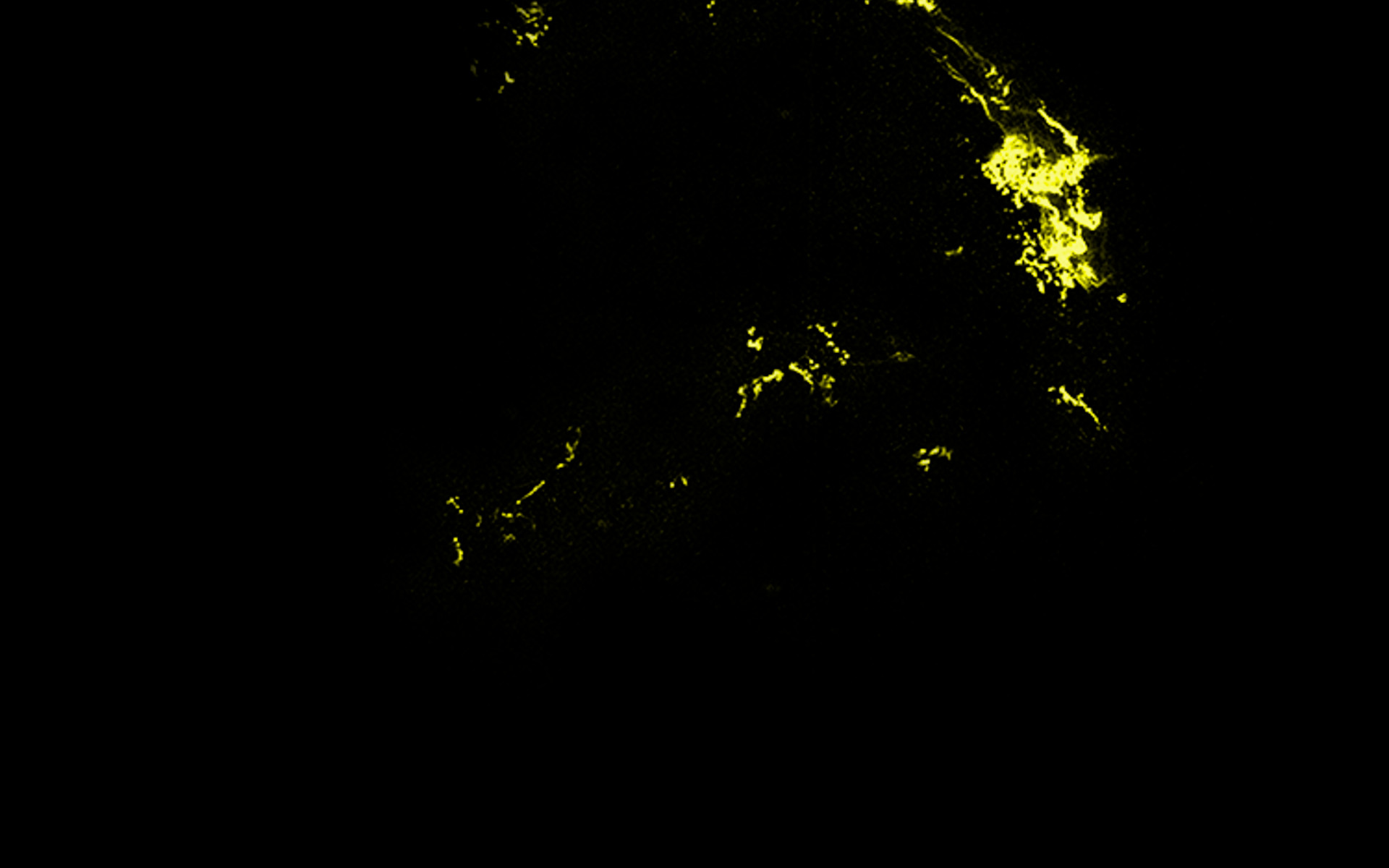
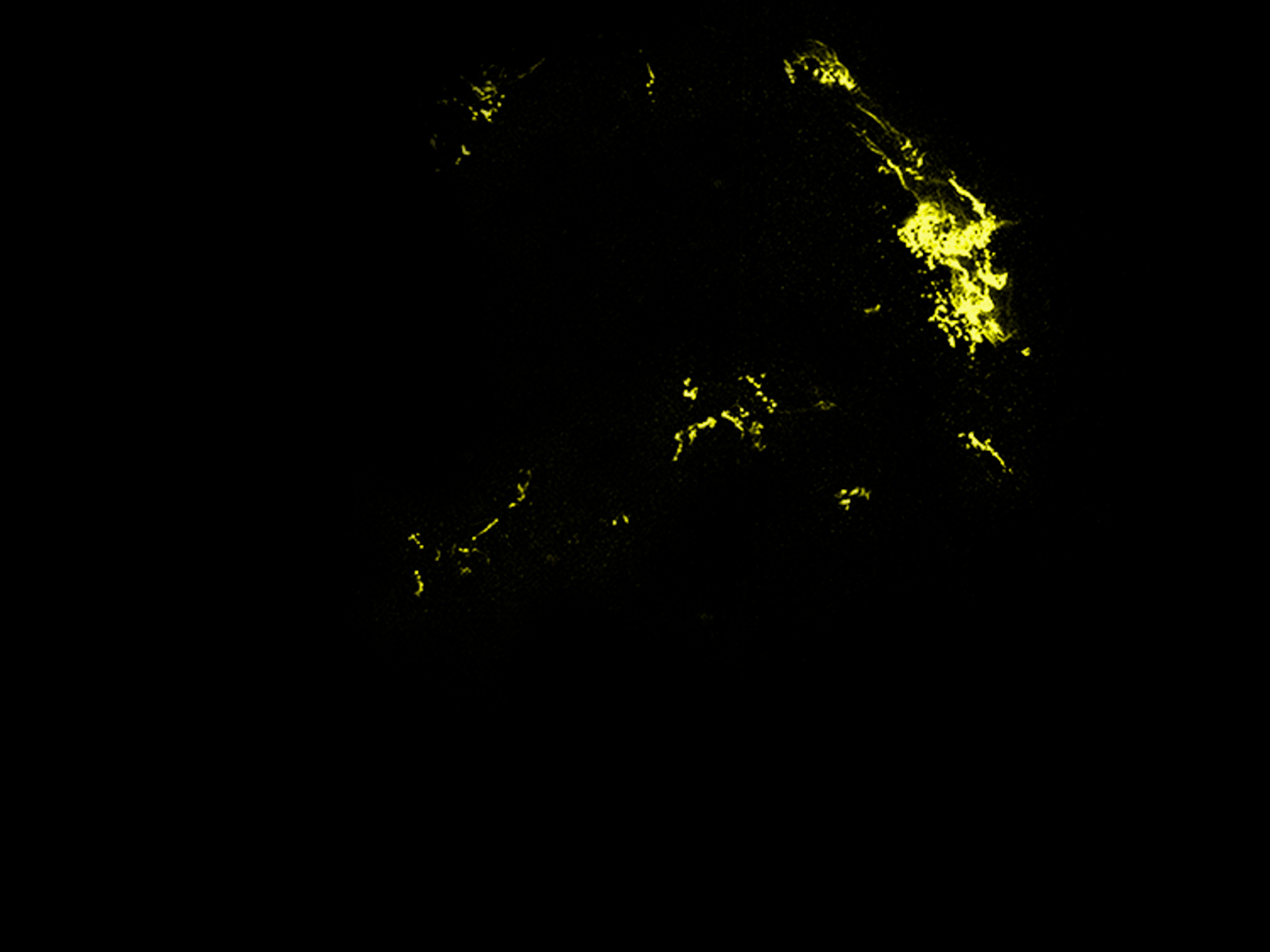
Hubble Space Telescope Visible-Light Data of Kepler's Supernova Remnant
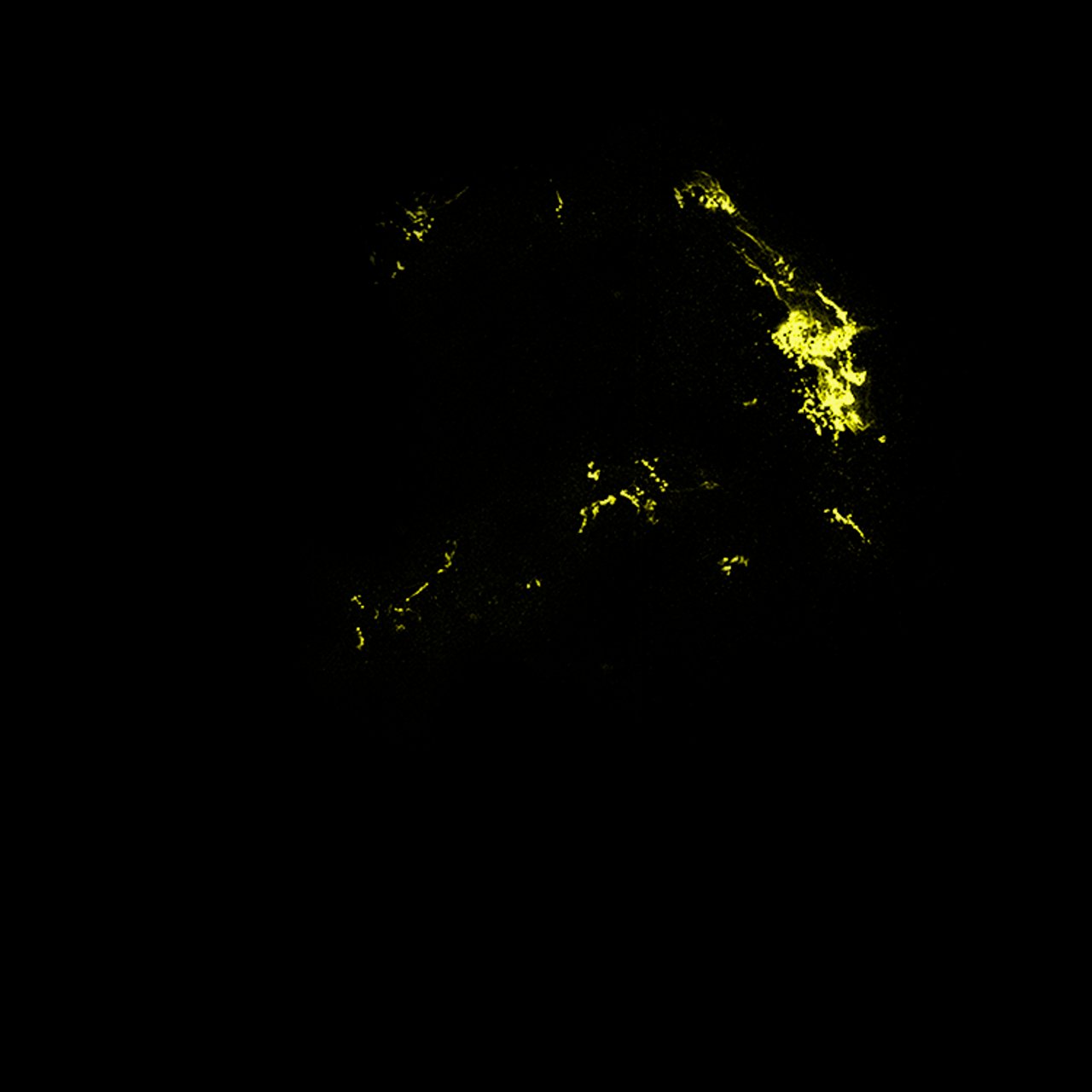
Supernovae are extremely luminous and cause a burst of radiation that often briefly outshines an entire galaxy, before fading from view over several weeks or months. During this short interval a supernova can radiate as much energy as the Sun is expected to emit over its entire life span.
Credit:About the Image
About the Object
| Name: | Kepler's SN |
|---|---|
| Type: | Milky Way : Nebula : Type : Supernova Remnant |
| Distance: | 13000 light years |
| Constellation: | Ophiuchus |
| Category: | Nebulae |

Classic Wallpapers


Coordinates
| Position (RA): | 17 30 41.50 |
|---|---|
| Position (Dec): | -21° 29' 33.17" |
| Field of view: | 4.96 x 4.96 arcminutes |
| Orientation: | North is 0.1° left of vertical |
View in ESASky:
View in WorldWide Telescope:

Colours & filters
| Band | Telescope |
|---|---|
| Optical | Hubble Space Telescope |