Lessons from a stellar instructor
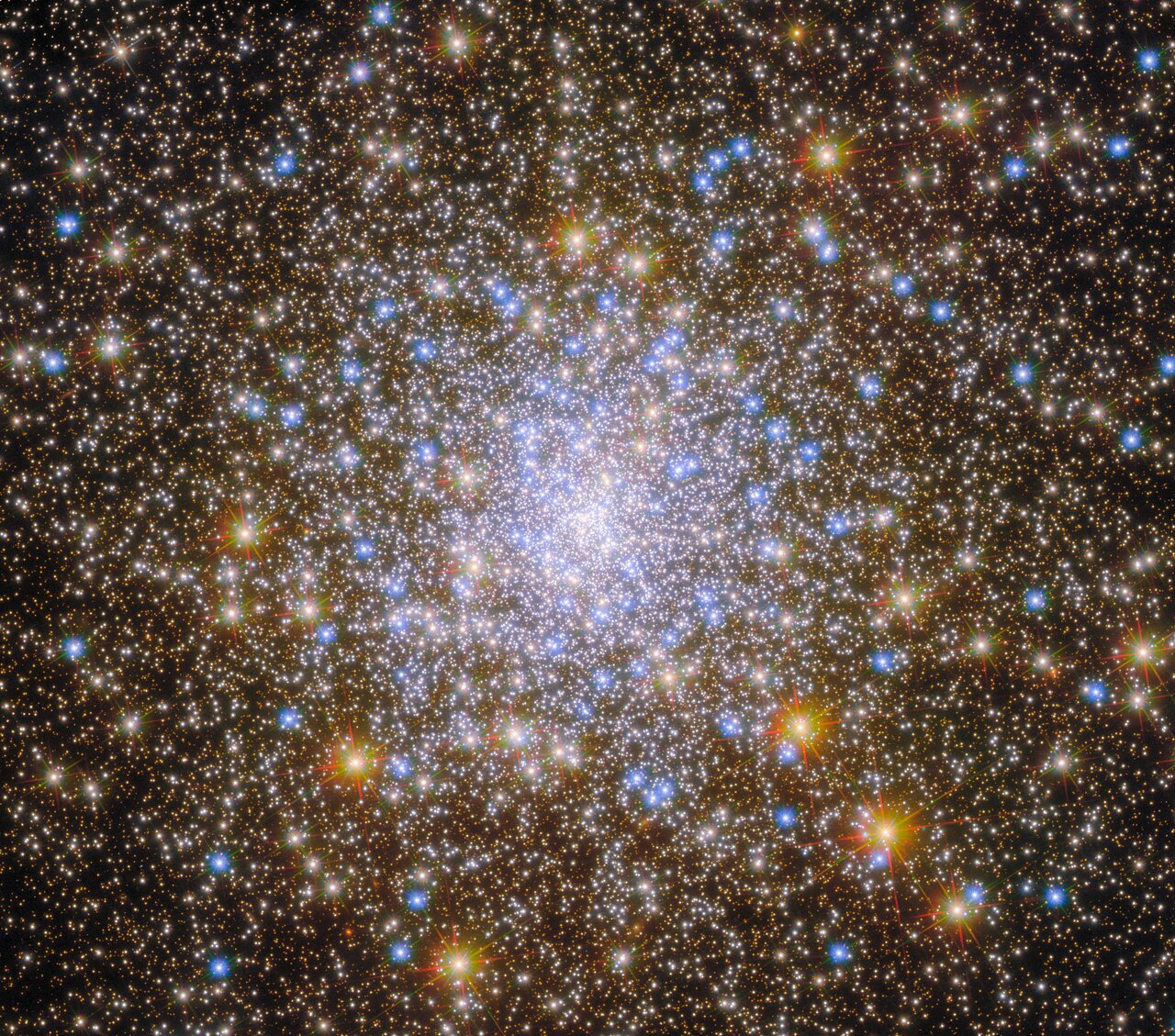
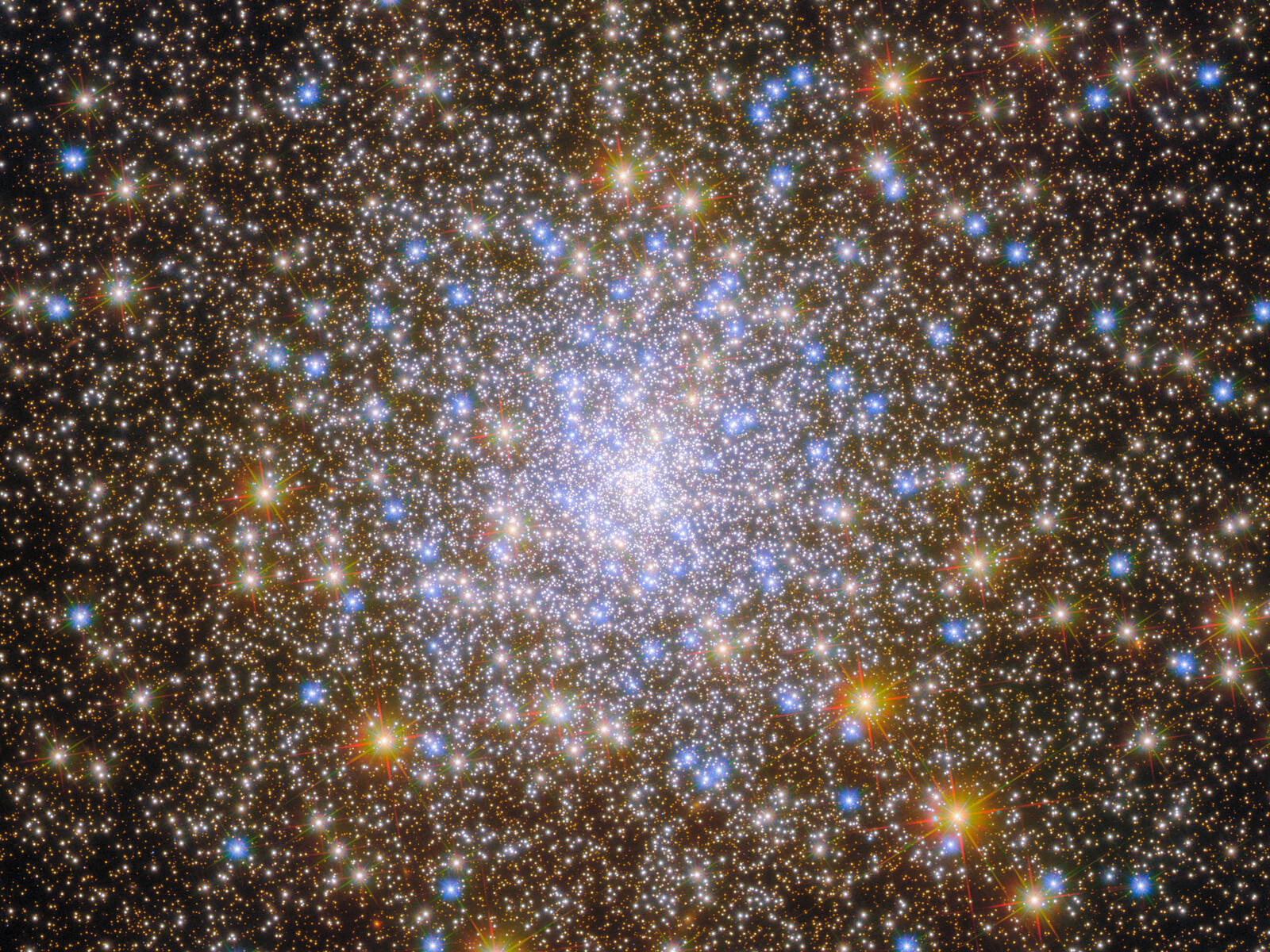
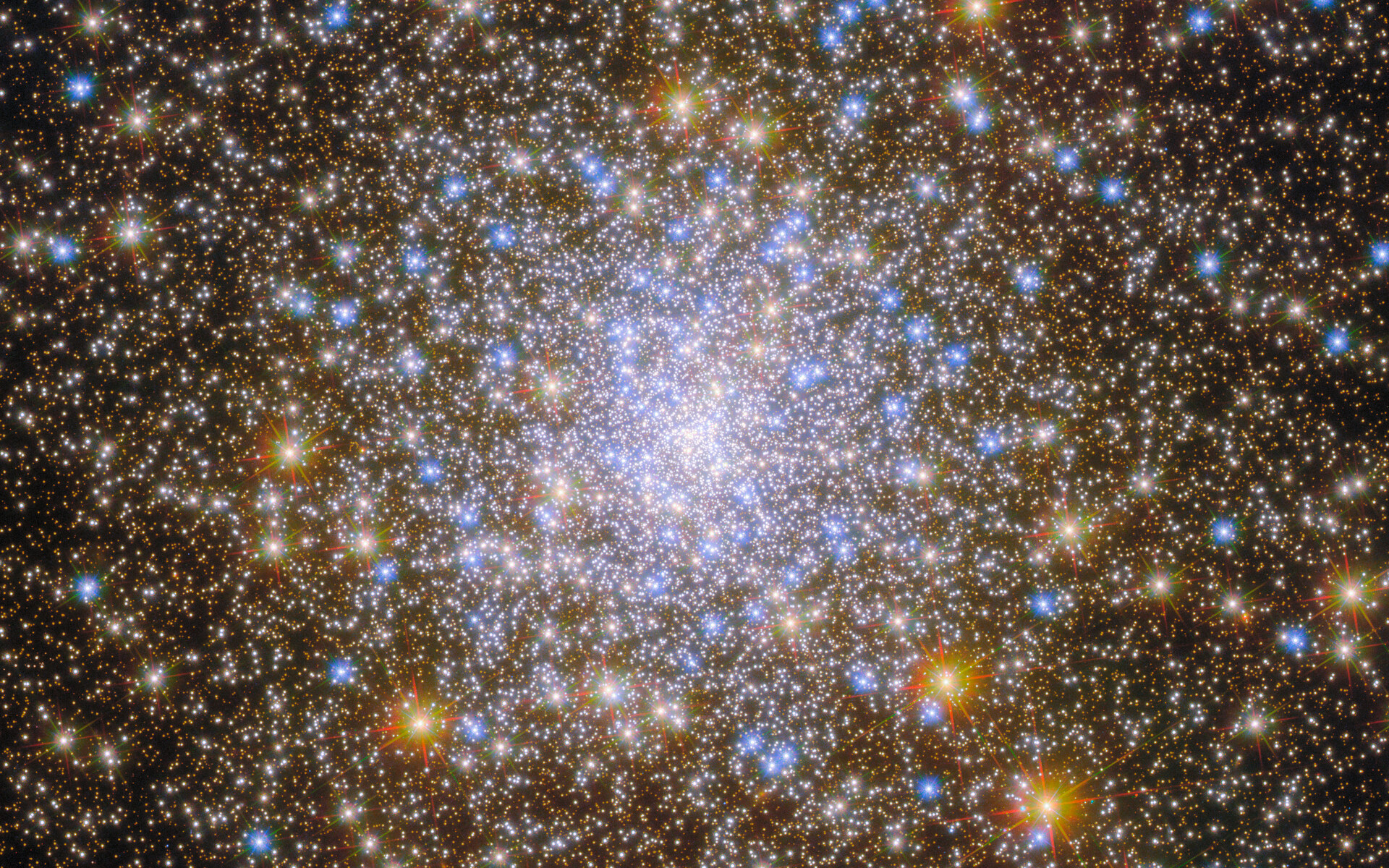
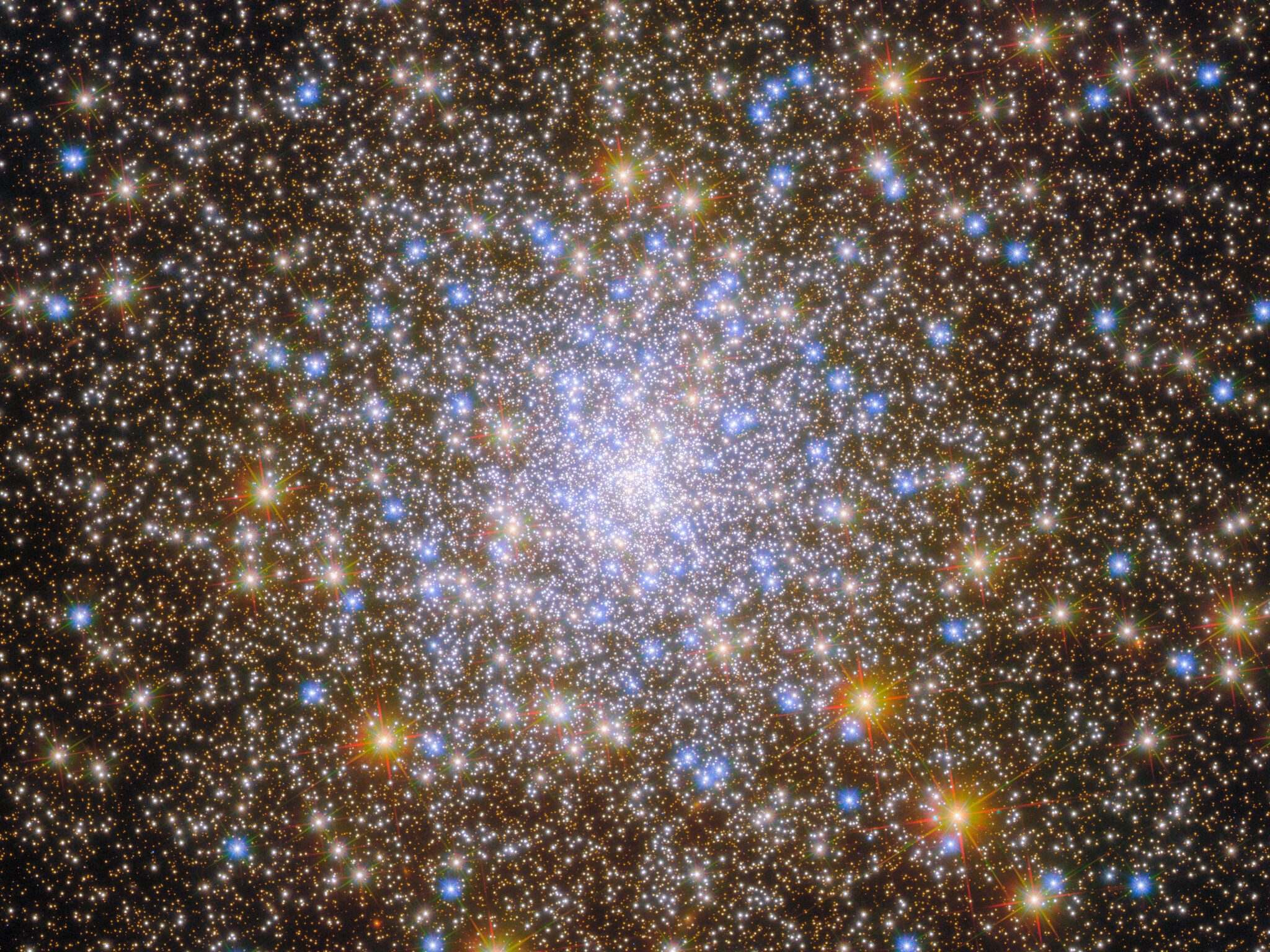
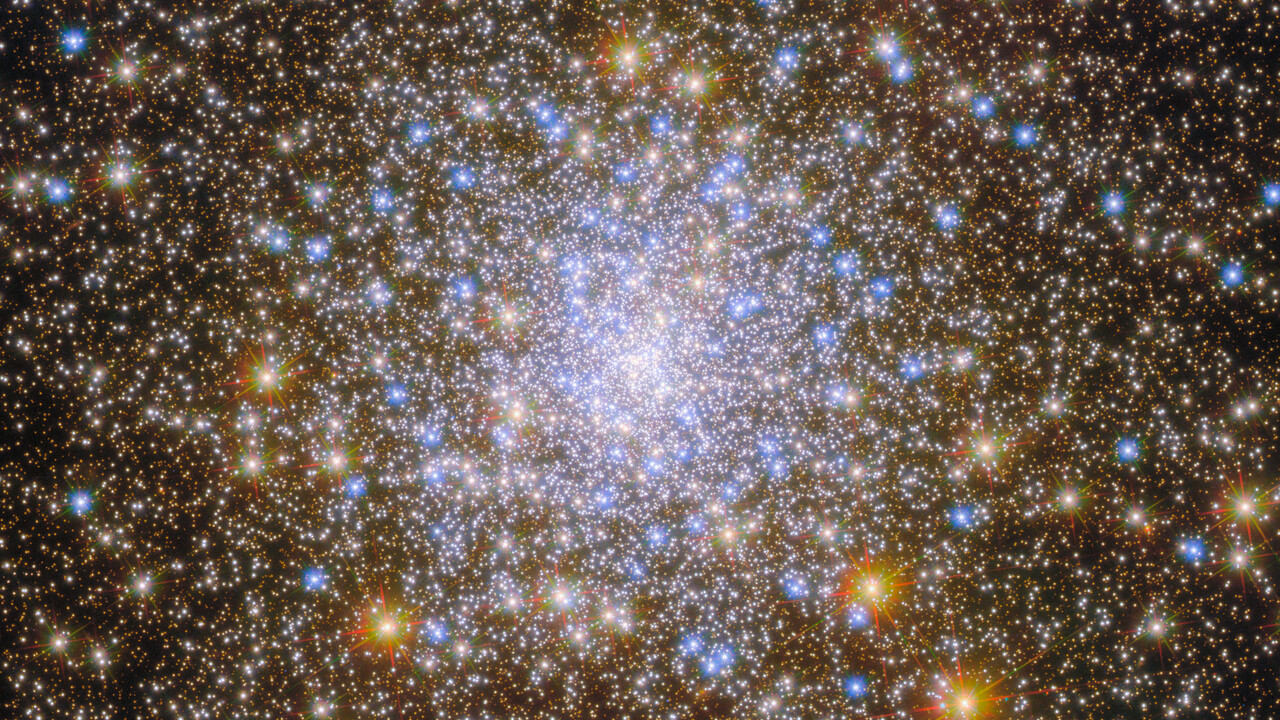
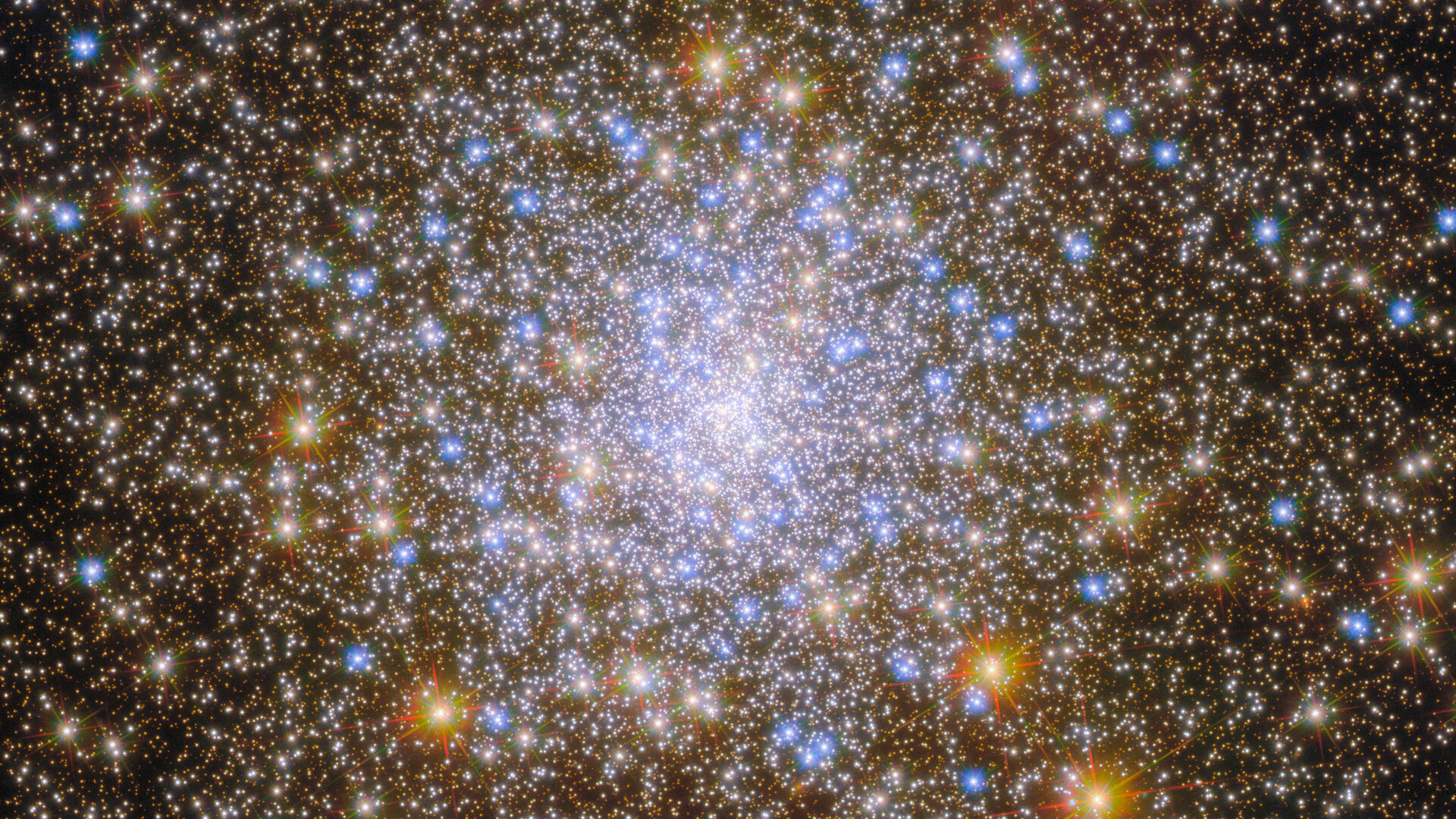
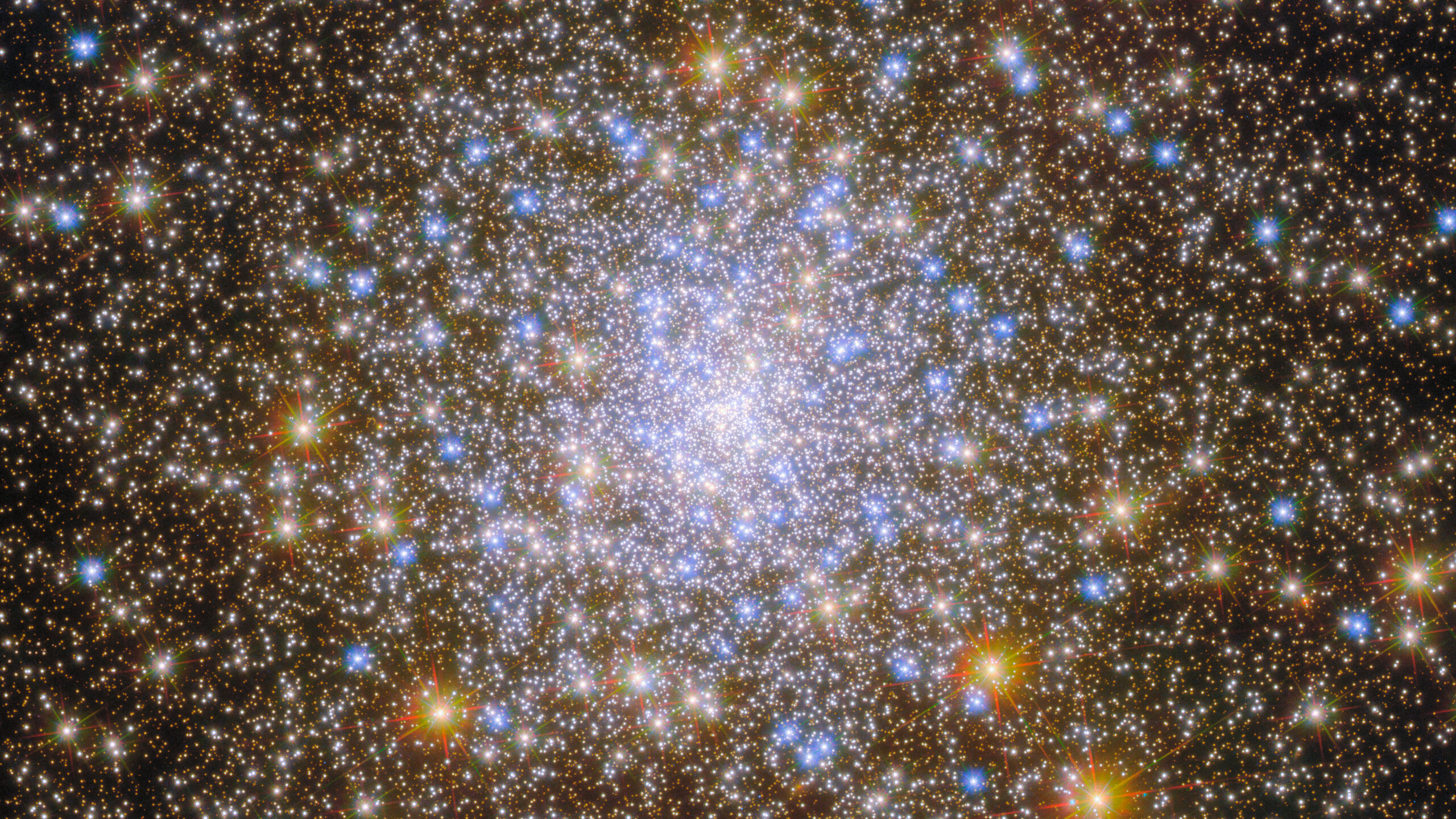
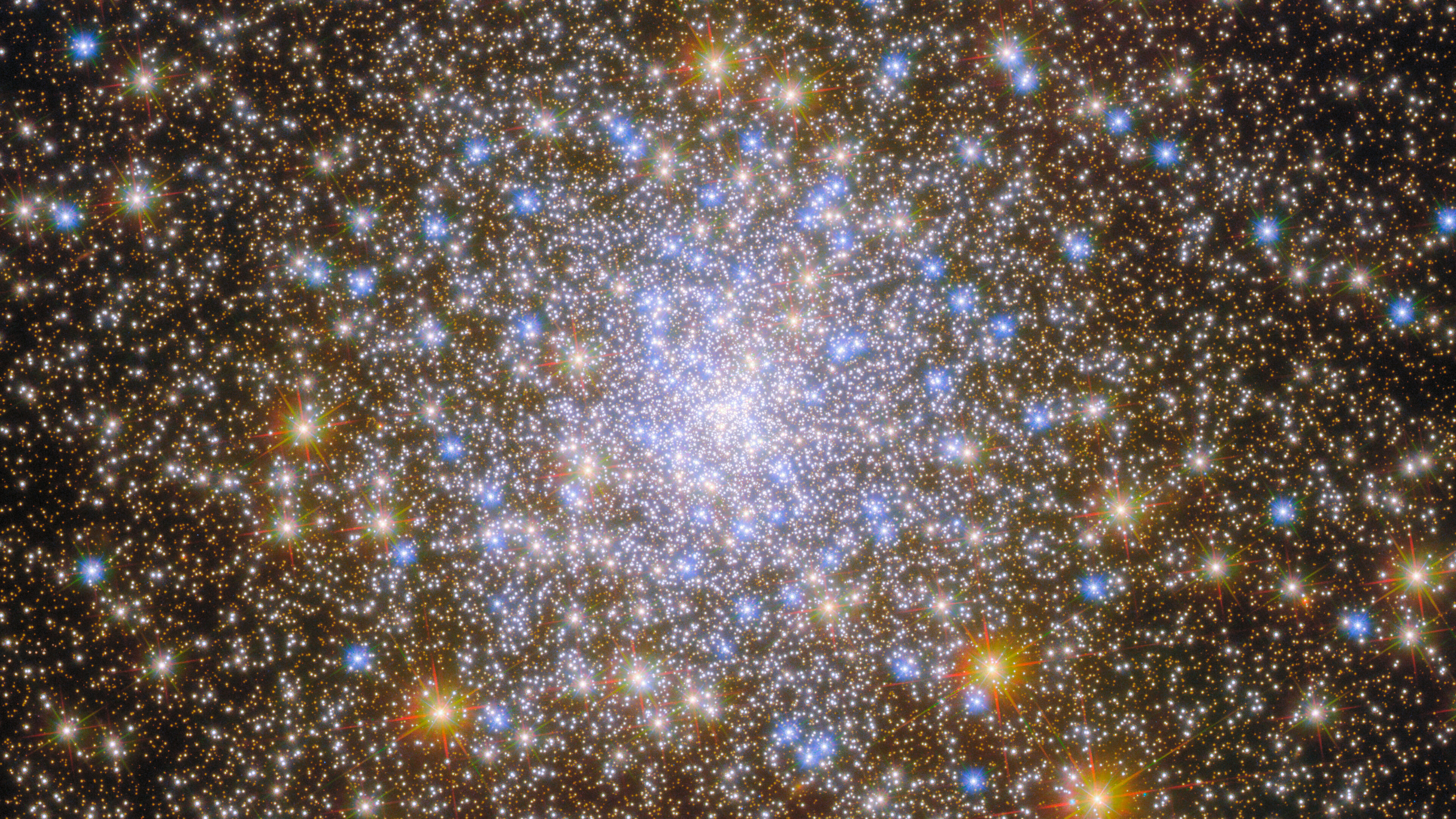
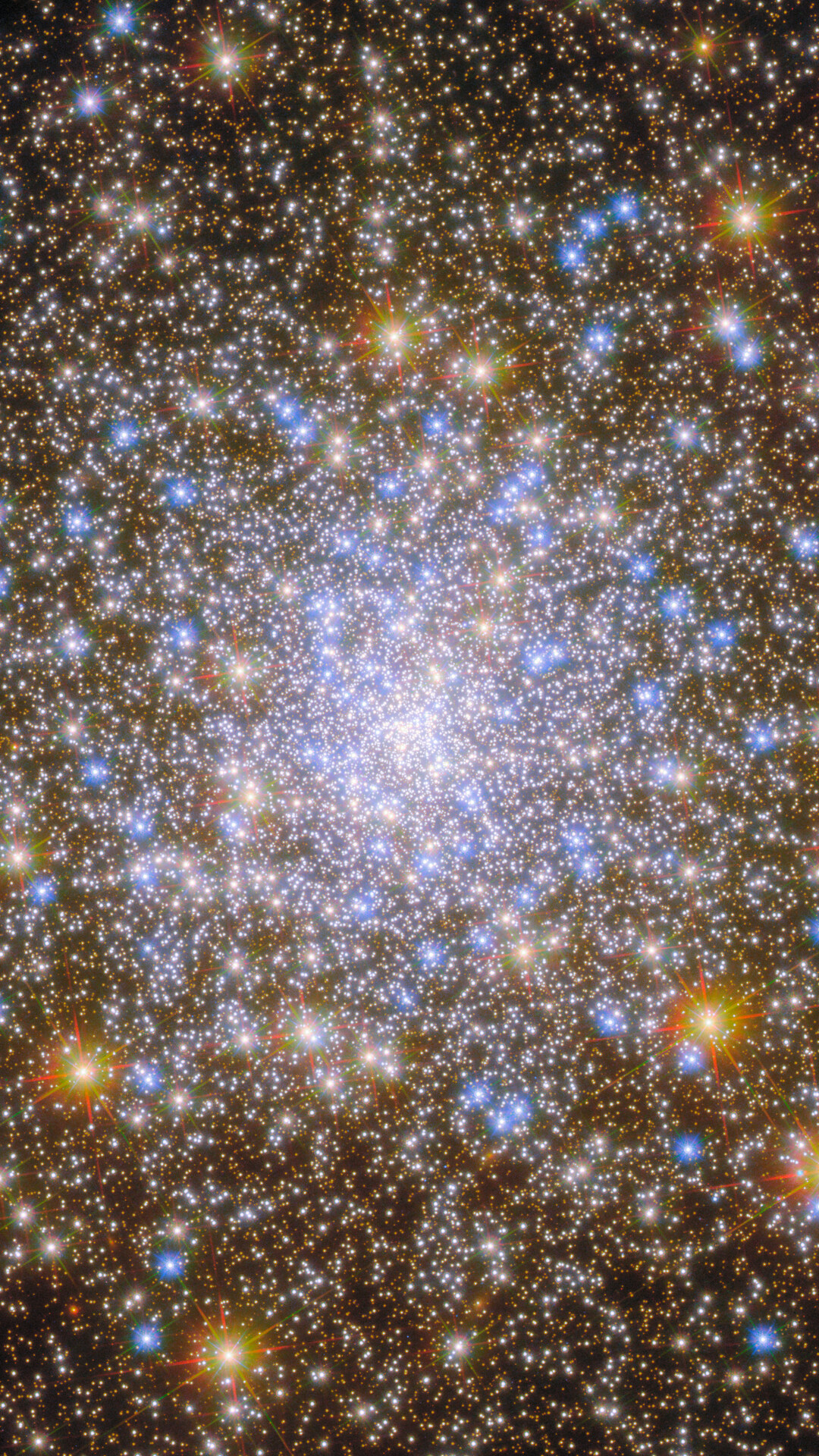
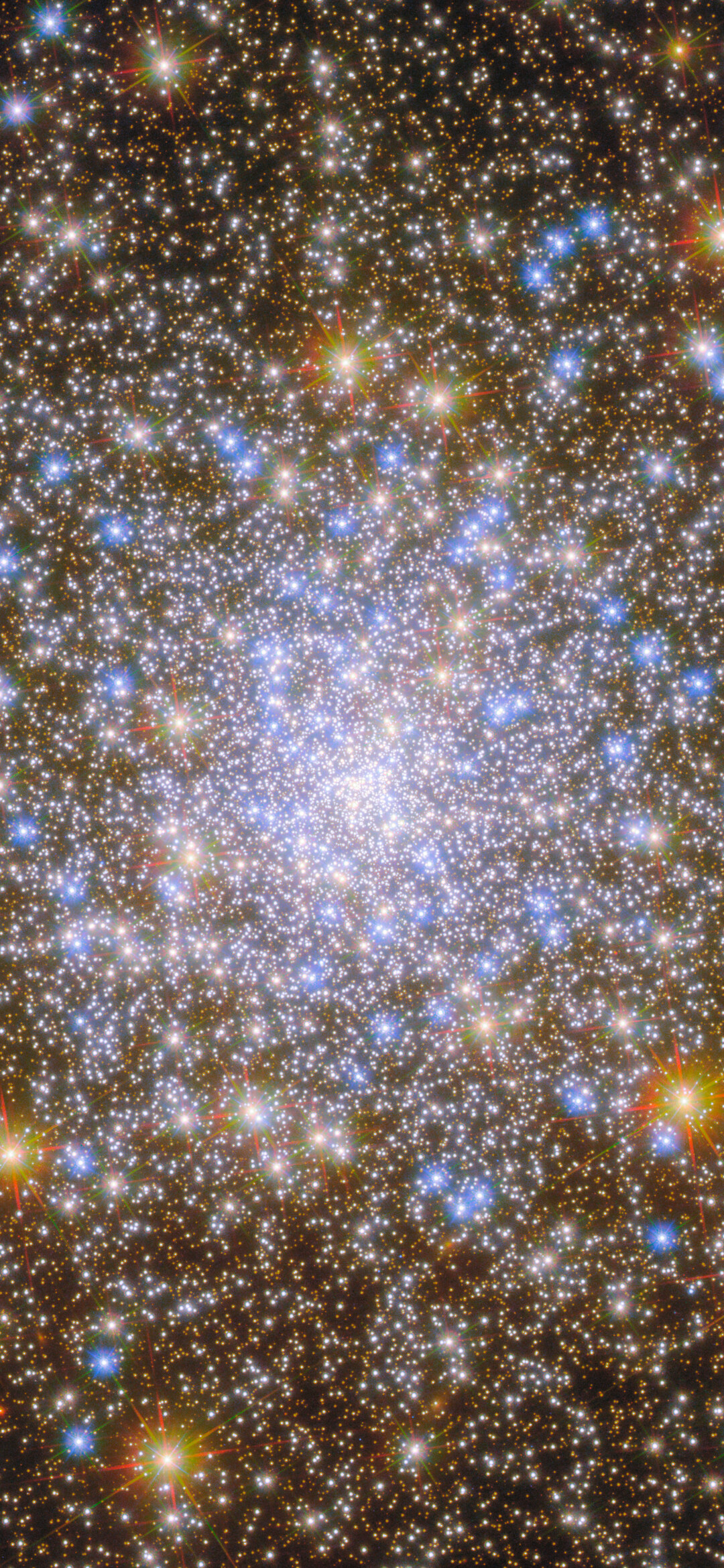
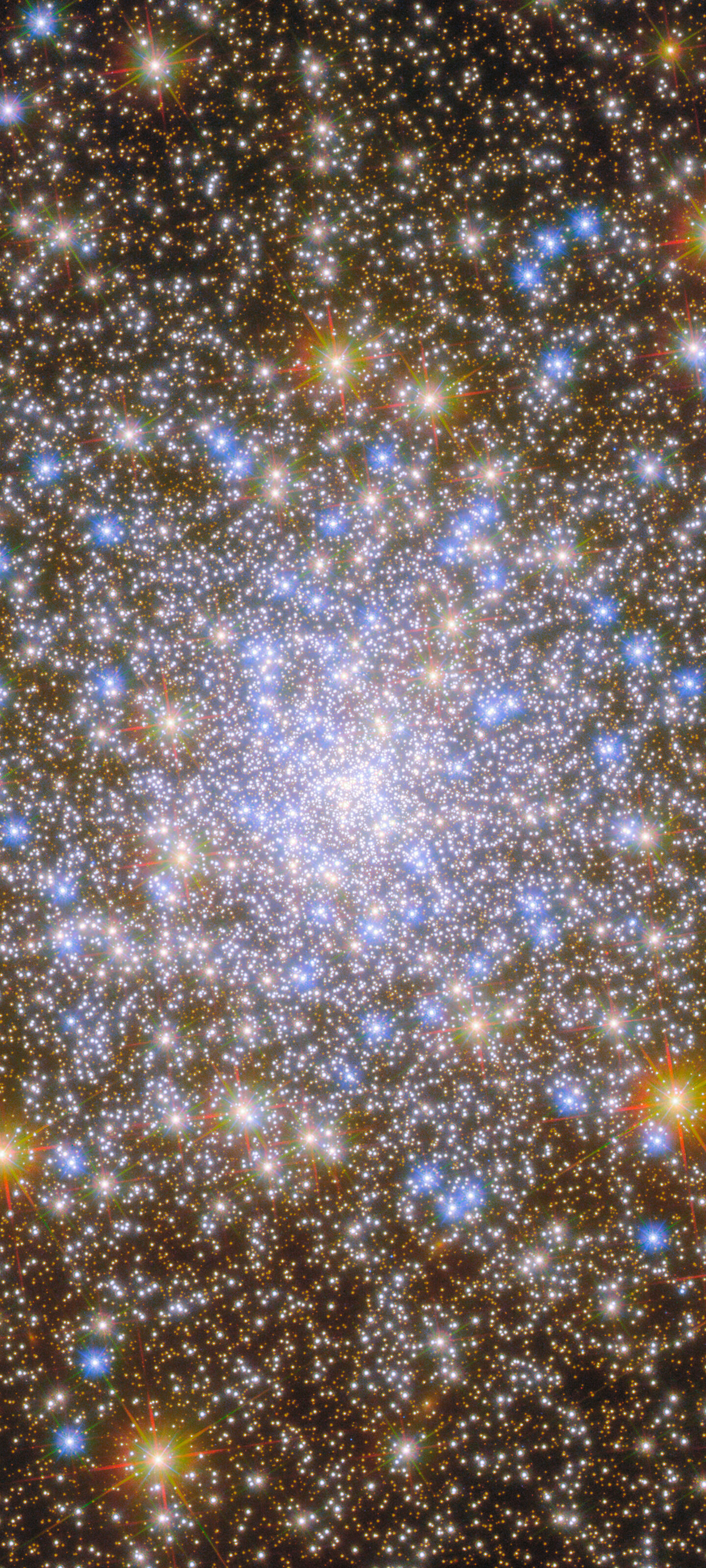
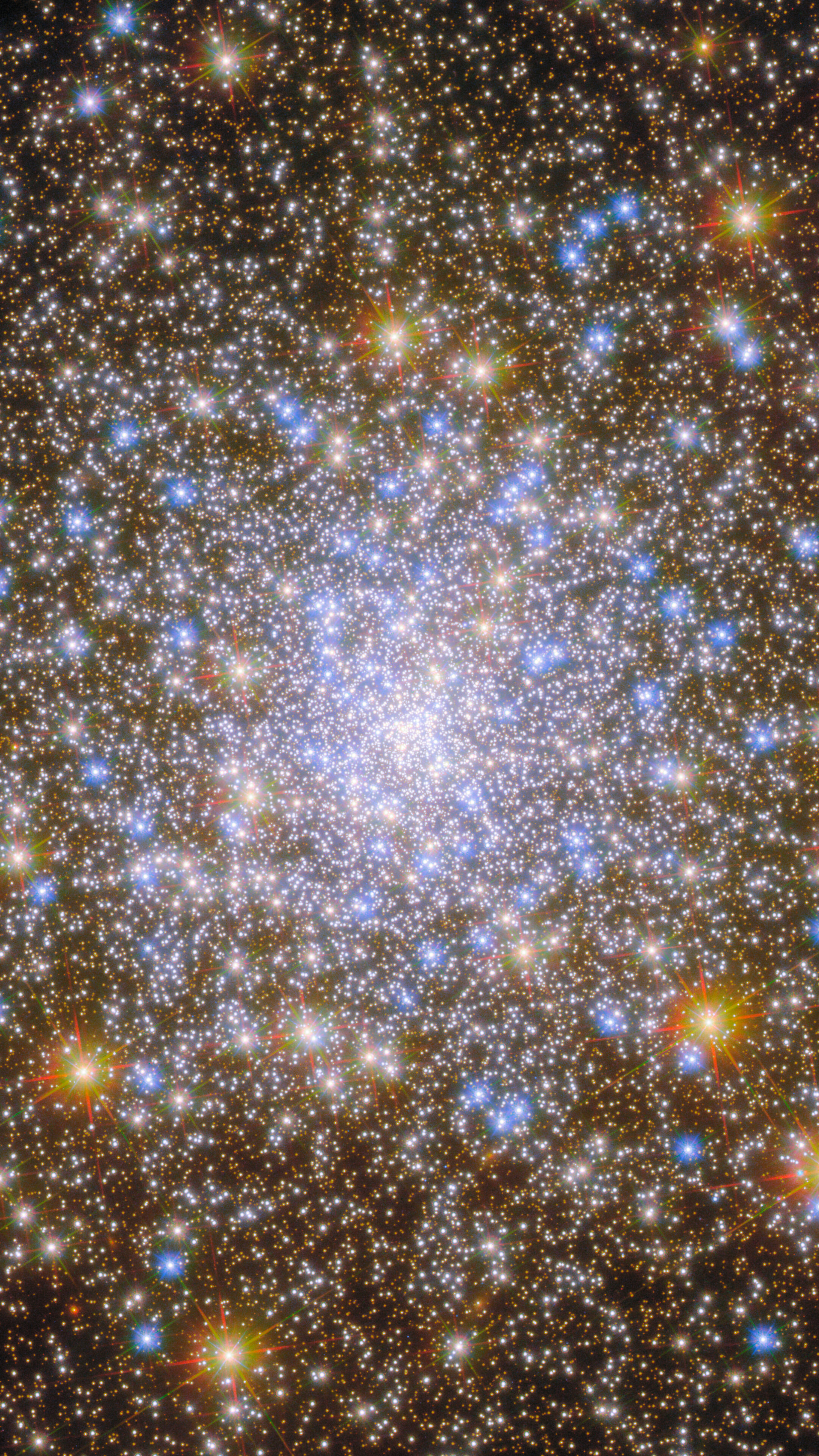
Today’s ESA/Hubble Picture of the Month gives us a lesson in galactic history. This sparkling collection of stars is named Messier 30 (M30) after Charles Messier, the French astronomer who catalogued M30 and other diffuse objects that might be mistaken for comets. M30 lies about 27 500 light-years away in the constellation Capricornus.
M30 is a globular cluster: a roughly spherical star cluster containing anywhere from tens of thousands to millions of stars. These clusters generally reside on the outskirts of galaxies, orbiting within a vast, diffuse region called the halo like a swarm of moths around a lightbulb. Our Milky Way galaxy has at least 150 globular clusters, the nearest of which is about 6000 light-years away. These clusters are impressively ancient: astronomers have estimated their ages at 11.5 to 13.5 billion years, making certain globular clusters nearly as old as the Universe itself.
Globular clusters have long played an important role in helping us learn about our galaxy. More than a century ago, astronomer Harlow Shapley used observations of a particular type of variable star to measure the locations of and distances to dozens of globular clusters within our galaxy. This work showed that the Sun is not in the centre of our galaxy, and that the galactic centre lies instead toward the constellation Sagittarius. (His distance measurements were incorrect, however, and he concluded that our galaxy is about twice as large as it really is.)
Today, astronomers continue to learn about our galaxy by observing globular clusters. Because globular clusters are so ancient, they can give us clues about how our galaxy was assembled long ago. Globular clusters that formed within our galaxy can act as time capsules, preserving the original chemistry of our young galaxy.
However, it’s possible that not all globular clusters that orbit within our galaxy today formed there. Researchers have discovered that M30 and many other globular clusters orbit in the direction opposite from the way our galaxy spins. This may mean that these clusters did not form within our galaxy at all, but may instead have been captured by the Milky Way galaxy in the distant past!
Hubble has observed M30 multiple times, A previously released image of M30 featured data from Hubble’s Advanced Camera for Surveys. These data came from an observing programme (#10775; PI: Sarajedini) that surveyed dozens of Milky Way globular clusters, observing red and near-infrared light that revealed stars down to just 20% of the mass of the Sun. A more recent programme (#13297; PI: Piotto) returned to M30 and other globular clusters in our galaxy, this time observing the clusters with Hubble’s Wide Field Camera 3 and using three filters that captured bluer light. This programme collected data that was critical for studying exotic objects like blue straggler stars as well as for investigating the multiple populations of stars that can inhabit a single globular cluster.
Most recently, Hubble viewed many of these globular clusters once more, aiming to detect how the stars in these clusters had moved over 15 years. This programme (#16298, PI: Libralato) allowed astronomers to study how different populations of stars in globular clusters move — a feat only possible due to Hubble’s longevity and ability to discern fantastically small details in distant objects.
[Image Description: A star cluster seen up close, filling the view with thousands of stars. They are clearly divided between blue ones, which are scattered around the outskirts of the image but more towards the centre and are the majority in the bright core of the cluster, and yellow stars, which are present in the core but make up most of the cluster outside of that. A few orange stars are closer to us and appear noticeably larger.]
Links
ESA/Hubble & NASA, M. Libralato, G. Piotto, A. Sarajedini
About the Image
| Id: | potm2610a |
|---|---|
| Type: | Observation |
| Release date: | 5 November 2026, 10:00 |
| Size: | 3887 x 3427 px |
About the Object
| Name: | M 30 |
|---|---|
| Distance: | 27500 light years |
| Constellation: | Capricornus |
| Category: | Galaxies |


Classic Wallpapers

Desktop Wallpapers
Mobile Wallpapers

Coordinates
| Position (RA): | 21 40 22.17 |
|---|---|
| Position (Dec): | -23° 10' 48.03" |
| Field of view: | 2.57 x 2.26 arcminutes |
| Orientation: | North is 127.0° right of vertical |


Colours & filters
| Band | Wavelength | Telescope |
|---|---|---|
| Ultraviolet UV | 275 nm |
Hubble Space Telescope
WFC3 |
| Optical U | 336 nm |
Hubble Space Telescope
WFC3 |
| Optical B | 438 nm |
Hubble Space Telescope
WFC3 |
| Optical V | 606 nm |
Hubble Space Telescope
ACS |
| Optical I | 814 nm |
Hubble Space Telescope
ACS |